

A container bunker is an affordable way to build a bunker. Converting a shipping container into a container bunker involves modifying a standard steel shipping container into a reinforced, protected structure for emergency shelter, secure storage, or military support operations.
However, there is an important distinction: a modified shipping container is not automatically a blast-resistant or military-grade bunker. Its structural design, foundation, protection systems, and installation method must be engineered for the intended hazards.
Here is how to convert a shipping container into a container bunker!
What Is a Bunker Container?
A bunker is a strong, protected structure or storage facility designed to hold materials, equipment, fuel, or people safely.
A bunker can be made from a shipping container. It is a specially designed, reinforced container or enclosed structure used to provide protection, secure storage, or shelter against external threats such as explosions, extreme weather, fire, unauthorized access, or other hazardous conditions.
Depending on its purpose, a bunker container may have reinforced steel construction, heavy-duty doors, locking systems, corrosion-resistant coatings, ventilation systems, fire-resistant insulation, specialized storage, and safety equipment.
The Use of a Bunker Container

1. Underground bunker container
An underground bunker container is a reinforced, enclosed structure installed below ground level to protect people, equipment, supplies, or valuable materials. It is often designed using a modified shipping container or a purpose-built steel or reinforced-concrete structure.
The main components of an underground bunker container are:
- Main structure: Reinforced steel or reinforced concrete.
- Waterproofing: Protection against groundwater and soil moisture.
- Ventilation system: Provides fresh air circulation.
- Access entrance: Secure stairs, hatch, or reinforced door.
- Emergency exit: An alternative escape route.
- Drainage system: Helps prevent flooding.
- Electrical system: Lighting, power supply, and backup power.
- Interior facilities: Depending on its purpose, it may include beds, storage, sanitation, and communication equipment.
That is why an underground bunker container is best for emergency shelters during natural disasters, private underground shelters, secure storage facilities, protection against severe weather, and emergency operations and communication rooms.
However, a standard shipping container is not automatically suitable for underground installation. Its walls and roof are generally not designed to withstand lateral soil pressure, groundwater pressure, and the weight of the soil above it. A properly engineered underground bunker needs structural engineering for soil and groundwater loads, corrosion protection, waterproofing, drainage, adequate ventilation, safe emergency access, and egress.
2. Industrial bunker container
An industrial bunker container is a heavy-duty storage structure designed to store, collect, contain, or temporarily hold industrial materials, particularly bulk materials such as coal, sand, cement, minerals, aggregates, and industrial waste.
Unlike a normal shipping container, an industrial bunker is generally designed for specific industrial processes, material handling, and storage operations. Its main components are heavy-duty steel or reinforced concrete walls, a loading hopper or top-loading opening discharge gate, conveyor belt, reinforced supporting structure, dust suppression system, inspection and maintenance access, and corrosion-resistant internal lining.
A typical industrial bunker operates in four stages:
- Material loading: Materials are delivered by truck, conveyor, or other equipment.
- Material storage: Materials are held inside the bunker.
- Material discharge: Gates or conveyors control material release.
- Industrial processing: Materials are transferred to production equipment or another storage facility.
3. Marine fuel bunker container
A Marine Fuel Bunker Container is a specialized tank or container designed to store, transport, and supply marine fuel used by ships, vessels, and offshore equipment. In the maritime industry, the term bunker refers to fuel used by a vessel. Therefore, a marine fuel bunker container is essentially a fuel storage and handling unit for marine applications.
The common configurations of a marine fuel bunker container include ISO tank containers, skid-mounted fuel tanks, portable marine fuel storage tanks, and containerized fuel supply systems.
4. Military bunker container
A Military Bunker Container is a specially designed, reinforced container or modular structure used by military organizations to provide protected storage, operational facilities, or temporary shelter in military environments.
Unlike an ordinary shipping container, a military bunker container is designed for specific security, durability, and operational requirements. Military modular shelters may use standard container footprints, such as:
- 10-foot: Compact equipment shelter.
- 20-foot: Small operational or storage facility.
- 40-foot: Larger operational or accommodation facility.
How to Convert a Container Into a Bunker
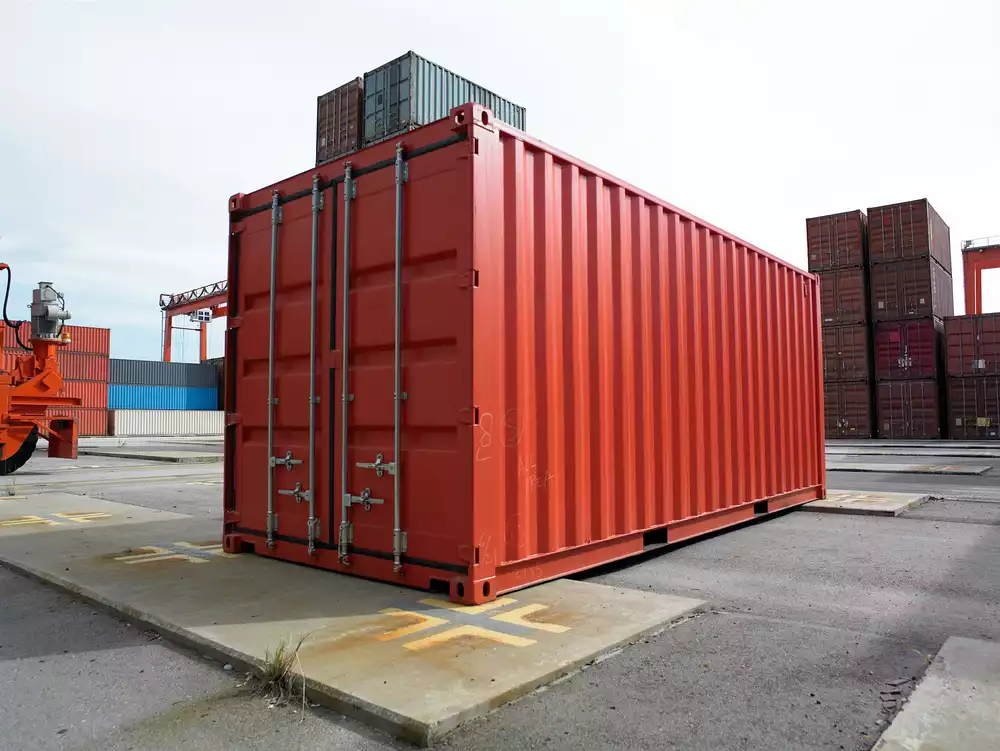
1. Choose the type of bunker
First, determine what kind of bunker you want to build. You can make an emergency bunker for protection during storms, an underground bunker for below-ground shelter, a military support bunker for operational workspace, a security bunker for protection of equipment and valuable assets, or an industrial bunker for protected storage of industrial materials.
For a first project, an above-ground emergency shelter is generally easier to assess and engineer than a buried container.
2. Select the shipping container
The common options of shipping container bunker are 20-foot container for smaller shelter, easier to transport and position. You can also use a 40-foot container for a larger shelter with more interior space.
When you have your desired container, inspect it for rust, corrosion, damaged corner posts, floor deterioration, roof deformation, previous chemical contamination, structural damage, and unauthorized modifications.
A container with significant structural damage should not be used as a shelter without professional assessment.
3. Reinforce and assess the structure
A bunker conversion may require structural assessment of the container frame, engineered reinforcement where modifications are needed, properly designed doors and access openings, weather-resistant external protection, and fire-resistant internal finishes where appropriate.
Do not assume that adding steel plates or concrete makes a container blast-resistant. Ballistic and blast protection require specialist engineering, testing, and certification.
4. Install the foundation and drainage
A bunker’s foundation should be designed according to soil-bearing capacity, container weight, groundwater conditions, wind and flood exposure, and local seismic requirements.
For underground installation, a standard shipping container should never simply be buried under soil. A purpose-designed retaining structure and engineered enclosure are needed to withstand soil and groundwater pressure.
5. Install essential bunker systems
Several systems are essential for an occupied shelter, such as:
- Ventilation for fresh air circulation
- Electrical for lighting and power
- Backup power for emergency electricity
- Water storage for drinking and sanitation
- Drainage for water management
- Fire protection for smoke detection and firefighting
- Communication for emergency communication
- Sanitation for toilet and hygiene facilities
Ventilation must be professionally designed for the occupancy and possible environmental hazards. Never operate a fuel-burning generator inside the container.
6. Design the interior
For comfort and convenience, a bunker interior is quite important. A practical interior layout of a bunker could include a sleeping or resting area, emergency supply storage, first-aid station, water storage, communication area, electrical control area, and sanitation facilities.
Conclusion
Start with a 20-foot or 40-foot container and establish the intended protection level before modifying the structure of a container bunker. This will help avoid expensive modifications that do not provide the protection you actually need.
For your container bunker needs, buy shipping containers from Tradecorp! With years of experience, Tradecorp is a reliable provider of sales, purchase, rental, and modification services.
Tradecorp also provides various types of containers, with a variety of sizes, including 20’ and 40’ for cargo shipping, refrigerated, and modular containers.
Consult your modification needs according to your wishes and get the best container sales and rental price offers from Tradecorp by filling out this quote form!