
Many people are trying to figure out how to build a container house, especially in subtropical climate areas.
This is because container houses are needed anywhere. In the US, building a shipping container house is possible, but the design must address five important factors: heat, humidity, condensation, heavy rainfall, and strong winds.
To know how to build a container house in the US subtropical climate, find out in this article!
Subtropical Climate in The US
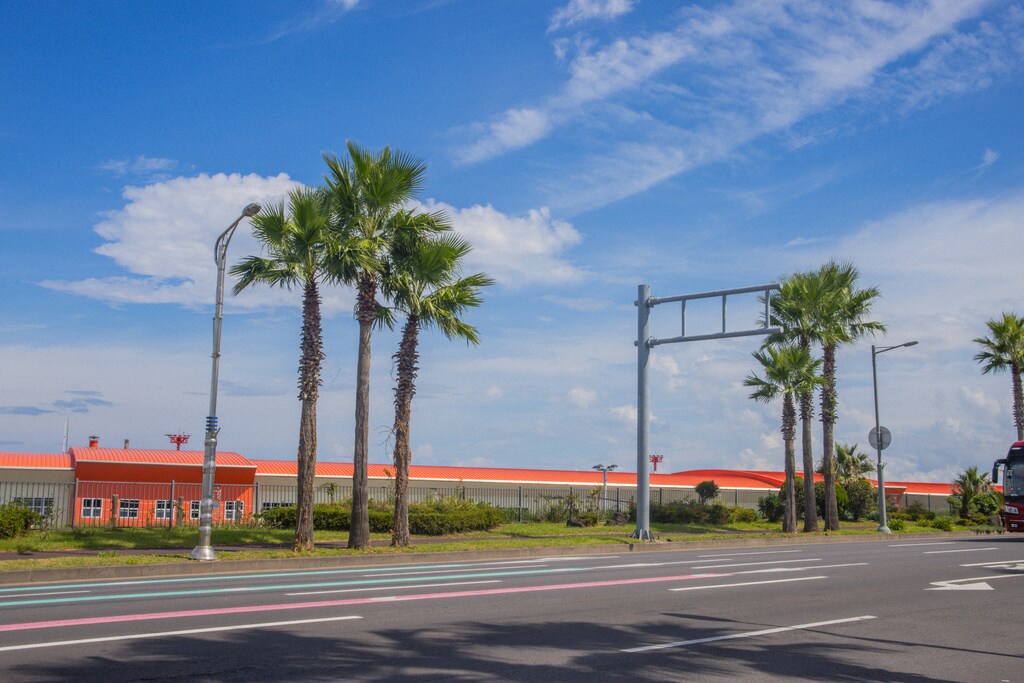
The United States has several regions with a subtropical climate, particularly in the southeastern and southern parts of the country. However, because the USA is geographically large, it experiences many different climate types, ranging from tropical and subtropical to continental, desert, and polar climates.
The subtropical climate is mainly found in states such as Florida, Georgia, Louisiana, Alabama, Mississippi, South Carolina, and parts of Texas and North Carolina. These areas generally experience hot, humid summers and mild winters. Rainfall is usually abundant throughout the year, although some areas receive more rain during the summer. Snowfall is relatively uncommon in the southernmost subtropical regions.
The southeastern United States also has lush vegetation, including evergreen forests, broadleaf trees, and, in warmer areas, palm trees. Florida and Louisiana, for example, have particularly warm and humid conditions throughout much of the year.
However, not all parts of the USA have a subtropical climate. The northeastern states generally experience humid continental climates, while the southwestern states have desert and semi-arid climates. The Pacific Northwest has an oceanic climate, and Alaska experiences subarctic and polar climates.
Can I Build a Container House In The US Subtropical Climate?
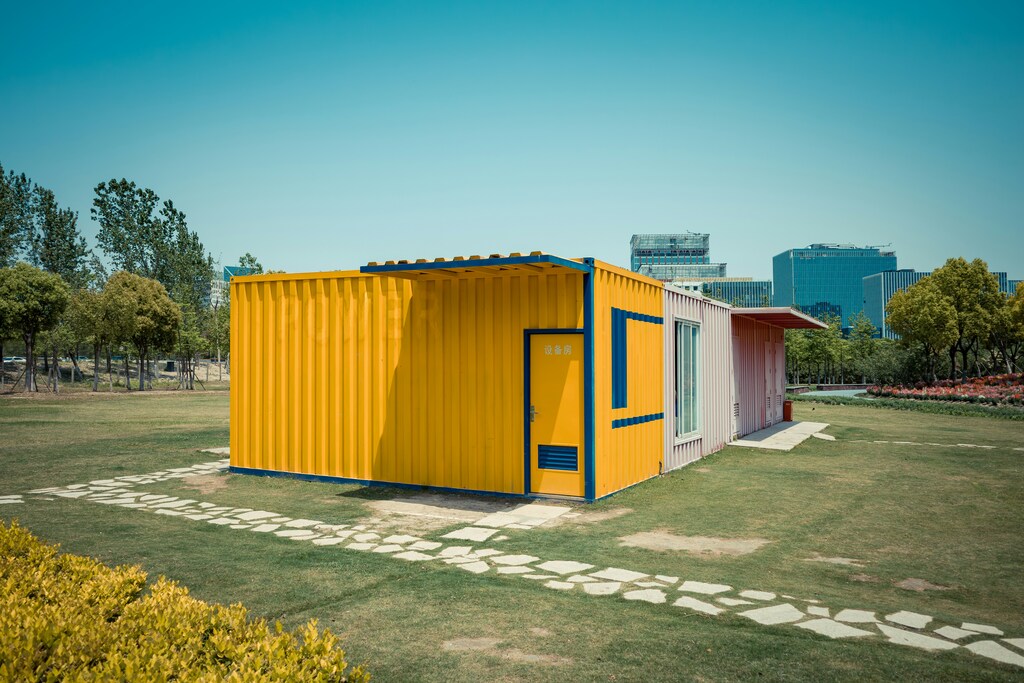
You can absolutely build a container house in the subtropical regions of the United States. In fact, shipping container homes can work very well in states such as Florida, Georgia, Louisiana, Texas, Alabama, and South Carolina.
However, there is one important thing you should consider: a standard shipping container is made of steel, which absorbs and transfers heat very quickly. In a hot, humid subtropical climate, an improperly designed container house can become extremely hot inside, develop condensation, and experience corrosion. To solve this, the key is to design the house specifically for hot, humid weather rather than simply converting a shipping container into a living space.
Also, some subtropical regions experience intense rainstorms, so the roof, drainage system, windows, and foundations must be designed to handle heavy rainfall. This can also cause high humidity, which can lead to condensation inside the walls, potentially leading to mold and mildew.
The Legality of a Container House in The US
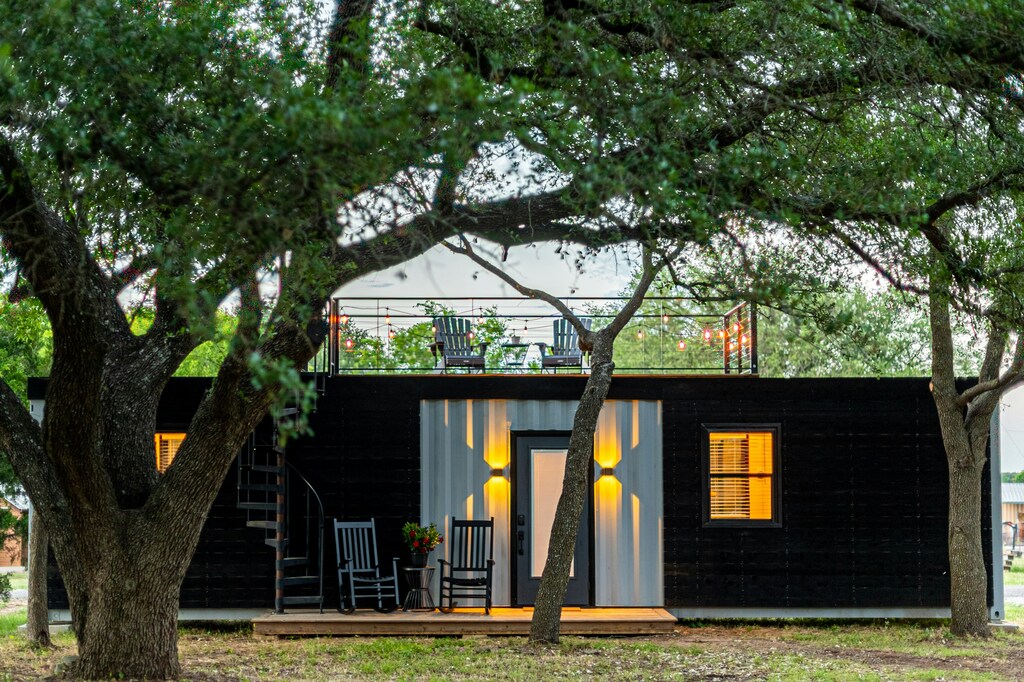
In terms of legality, shipping container houses generally must meet the same residential building standards as conventional houses. You should consult a locally licensed architect or structural engineer before purchasing containers or starting construction.
For example, Florida requires compliance with its building code, including applicable structural, wind-load, flood, and residential safety requirements. Local zoning regulations and permits also matter.
Subtropical Container House Idea
For a subtropical US location, we would recommend a single-story, two-bedroom container house with:
- Two or three 40-foot high-cube containers.
- An additional insulated roof.
- A large covered outdoor veranda.
- Properly insulated walls and ceilings.
- Large shaded windows.
- Energy-efficient air conditioning.
- A raised foundation where appropriate.
This design can provide a comfortable modern home while reducing exposure to excessive heat and rain.
How to Build a Container House In The US Subtropical Climate
Below is a practical step-by-step guide on how to build a container house in the US subtropical climate:
1. Choose the right location
First, choose a state and location. The subtropical climate is particularly common in the southeastern United States. Some possible locations include:
- Georgia: Warm summers, humid conditions, and relatively mild winters.
- Alabama: Hot summers and substantial rainfall.
- South Carolina: Warm, humid summers and mild winters.
- Florida: Hot, humid weather, with significant hurricane and flood risks in many areas.
- Louisiana: High humidity, heavy rainfall, and flood exposure in some locations.
- Texas: Hot summers, with conditions varying considerably across the state.
Before buying land, investigate local zoning, flood maps, drainage, hurricane exposure, and whether residential container construction is permitted.
2. Select suitable shipping containers
The recommended container size and type for a house is the 40’ High Cube container. This unit has 40’ in length, 8’ in width, and 9.6’ in height. This extra height provides additional ceiling height, which is useful when installing insulation, ceilings, electrical wiring, and ventilation systems.
Also, choose containers that have minimal corrosion, no significant structural deformation, and no evidence of chemical contamination. Inspect containers carefully before buying, as not every shipping container is suitable for residential conversion.
3. Prepare the foundation
The foundation is extremely important, especially in areas that experience hurricanes, flooding, and heavy rainfall.
Possible foundation systems include concrete piers, reinforced concrete slabs, and engineered pile foundations.
The correct system depends on soil conditions, groundwater, flood exposure, building weight, and local engineering requirements.
For coastal or flood-prone areas, an elevated foundation may be necessary.
The containers must be securely anchored to the foundation. A structural engineer should design the connections to resist applicable wind, uplift, sliding, and overturning forces.
4. Install a proper insulation system
Installing a proper insulation system inside a container home is one of the most important stages. Steel containers transfer heat quickly. Without insulation, the interior can become extremely hot during summer.
Therefore, you need to use Closed-cell spray foam insulation for thermal resistance and to help limit air leakage and moisture movement when correctly designed and installed.
You can also use rigid foam insulation systems and insulated exterior wall assemblies. A good wall assembly should include:
- Exterior weather protection.
- Corrosion-resistant steel surfaces.
- Continuous thermal insulation.
- Carefully designed air and vapor control layers.
- Interior wall finishing.
Do not simply install fiberglass insulation against the steel walls without considering condensation. Moisture trapped against cold steel can cause corrosion and mold problems.
5. Build a separate roof above the containers
Installing a secondary roof is strongly recommended rather than relying exclusively on the original container roof. The benefits of a separate roof are:
- Reduce direct solar heating.
- Protect the steel roof from intense sunlight.
- Improve rainwater management.
- Provide space for ventilation above the containers.
- Create a more attractive architectural appearance.
- A sloping metal roof with wide overhangs is a practical option.
However, the additional roof must be engineered for local wind loads, including hurricane uplift where applicable.
6. Install suitable windows and doors
Windows are important for natural lighting, ventilation, and comfort. Therefore, you need to install one of these:
- Energy-efficient double-glazed windows.
- Hurricane-rated impact-resistant windows where required.
- Exterior shading or covered window openings.
- Proper waterproof flashing around every window and door.
- Cross-ventilation where outdoor conditions permit.
One important structural issue: cutting large openings into container walls can weaken the original steel structure. For large sliding doors or interconnected containers, install engineered reinforcement frames. Have a structural engineer approve the modifications before cutting.
7. Install air conditioning and humidity control
In subtropical climates, controlling humidity is almost as important as controlling temperature. The US Department of Energy explains that hot-humid homes may need additional humidity control even when they have efficient air conditioning.
Combining energy-efficient mini-split air conditioning or a properly designed central HVAC system and ceiling fans can improve indoor comfort.
8. Protect the house against heavy rainfall and flooding
Subtropical regions can experience intense rainfall, so water management should be part of the original design. The important features of water management include:
- Properly sized gutters and downspouts.
- Drainage channels around the property.
- Waterproof roof and wall connections.
- Properly flashed windows and doors.
- Grading that directs water away from the house.
- Flood-resistant materials where required.
- Check the FEMA flood map before purchasing land.
9. Install electrical, plumbing, and fire-safety systems
Once the structure and insulation are ready, install the residential utility systems, including:
- Electrical wiring and a residential breaker panel.
- Plumbing for the kitchen and bathrooms.
- Water heaters.
- Wastewater connections or an approved septic system.
- Fire-rated interior materials and fire protection systems where required by code.
10. Finish the interior and exterior
For the interior, consider moisture-resistant gypsum board where appropriate, durable flooring, a modern kitchen, and well-designed bathrooms.
For the exterior, use corrosion-resistant coatings, attractive cladding, landscaping, and covered outdoor living areas.
Conclusion
Overall, the USA has a subtropical climate, but it is mainly concentrated in the country’s southeastern and southern regions.
After knowing how to build a container house in the US subtropical area, you can get a container size for your property needs from Tradecorp! With years of experience, Tradecorp is a reliable sales, purchase, rental, and modification service provider.
Tradecorp also provides various types of containers, with a variety of sizes of 20’ or 40’ for cargo shipping, refrigerated, and modular containers.
Consult your modification needs according to your wishes and get the best container sales and rental price offers from Tradecorp by filling out this quote form!