
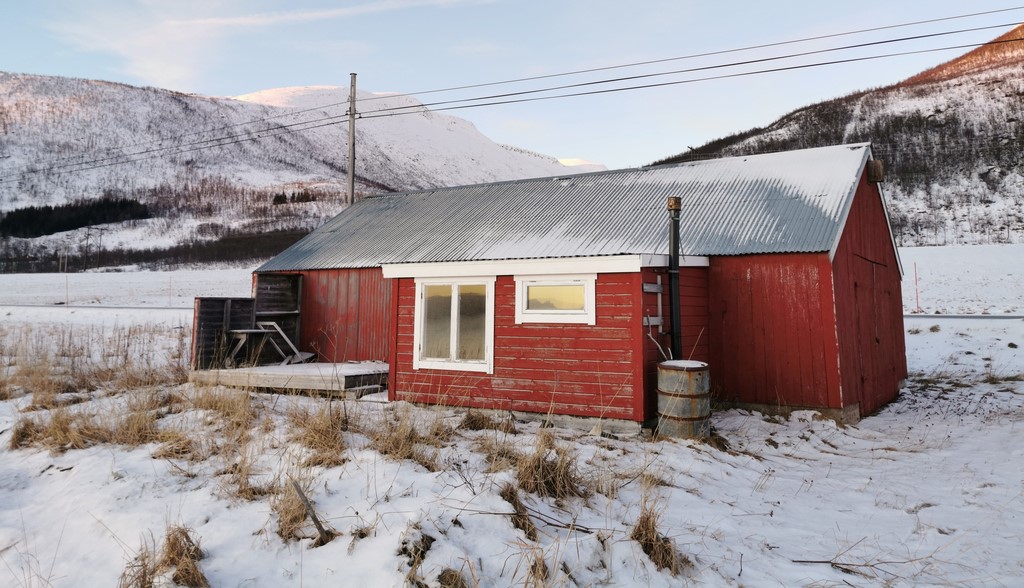
A winter house made out of containers is a modular building primarily constructed from steel shipping containers. These prefabricated units offer durability, portability, and design diversity.
The beauty of this house lies in its modular nature. These structures can be single units or combined to form larger complexes. With the right design approach, you can even transform small containers into modern living spaces equipped with all the essential amenities.
With careful container home plans, realistic expectations, and smart decision-making, even beginners can successfully build a winter house made out of containers and avoid common mistakes. Here are the steps!
Why Is a Shipping Container House Suitable for Winter?
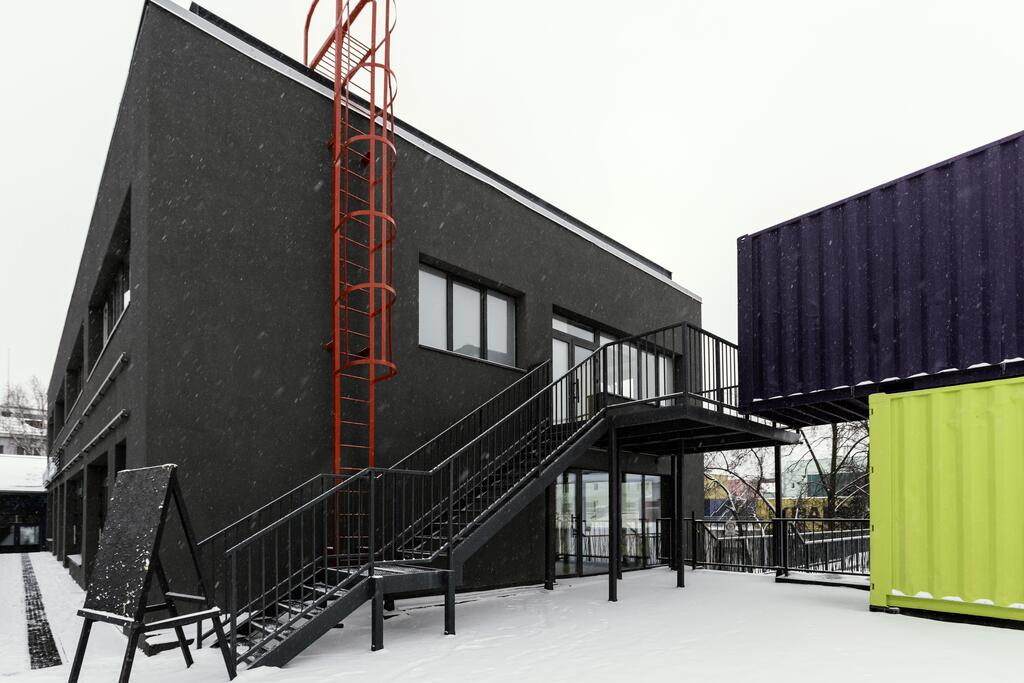
1. Strong Weather Resistance
A shipping container building can provide strong weather protection during winter, but it depends on how it’s prepared. However, its corten steel structure is snow-resistant and its roof can withstand heavy snow loads if properly maintained.
Factory-built containers are watertight, preventing snow and ice from seeping inside. However, your container building needs to be raised or anchored to avoid ground frost movement.
You will also need insulation (spray foam, rockwool, or SIP panels) to keep the interiors warm, and ventilation to prevent moisture from accumulating inside.
2. Secure & Durable
Made of Corten steel, shipping container buildings are secure and durable compared to many traditional structures. They resist break-ins better than wood or plastic sheds. Moreover, the lockboxes and reinforced door systems keep tools, equipment, or occupants safe.
Containers are waterproof and snow-resistant, designed to endure harsh sea travel. When properly sealed, they keep out snow, ice, and moisture. With basic maintenance (anti-rust coating, repainting), containers last 20–30+ years outdoors.
3. Easy to Insulate
Containers can be outfitted with spray foam, Rockwool, or panel insulation, ensuring warmth inside. Insulation plus heating makes them suitable for offices, workshops, or living spaces in cold climates.
Containers are sealed and wind/water-resistant from the start. Therefore, you do not need major reinforcement to withstand snow or storms..
4. Versatile Use During Winter
A shipping container building can provide versatile use during winter, thanks to its strong structure and adaptability with the right modifications.
With proper upgrades, shipping container buildings are highly versatile in winter, serving as storage, housing, commercial units, or emergency shelters while maintaining durability and security. It will protect tools, vehicles, or equipment from freezing and snow exposure.
5. Portable & Reusable
If you plan to use a shipping container site, it can be moved, making it flexible for temporary winter projects (construction offices, event facilities, etc.).
A container can be repurposed for 20–30+ years with proper maintenance, and it can be reused each winter without major rebuilding costs.
6. Cost-Effective Compared to Traditional Construction
Durable enough to be a long-term investment across multiple winters, a shipping container building is more effective than a traditional one. This is especially true for certain uses like storage, offices, or small homes.
However, the cost-effectiveness depends on factors like modification needs, location, and long-term plans.
How To Make a Container House That Can Withstand Winter

1. Choose the right shipping container
Start with a structurally sound shipping container. Choose a 20’ container for a small cabin, a 40’ container for a larger home, or a high cube container for additional ceiling height after insulation.
Also, pick the one without significant rust, damaged corner posts, or a compromised floor. Inspect the steel frame carefully before purchasing. A container that has been heavily corroded may not be suitable for residential conversion.
2. Build a strong winter foundation
The foundation must support the container while protecting it from ground movement, moisture, and freezing conditions. The recommended foundation options include reinforced concrete piers, engineered concrete footings, and a reinforced concrete slab.
Important considerations:
Place footings below the local frost depth where frost occurs and ensure the soil can support the building. Foundation dimensions and reinforcement should be calculated by a structural engineer based on soil conditions and building loads.
3. Install high-performance insulation
Steel is a great heat conductor; without insulation, your container will lose heat quickly and feel cold and damp. If you want to keep a container home warm during winter, then proper insulation is the most important investment you can make. Container components that need insulation are the walls, roof, ceiling, and floor.
Spray Foam Insulation is the best option, as it creates an airtight seal and prevents condensation. Meanwhile, if you are looking for a budget-friendly and effective one, use rockwool or fiberglass, but it needs a vapor barrier.
4. Protect the roof against snow and ice
A flat shipping container roof is not automatically suitable for heavy snowfall. Therefore, you need to have:
- An engineered pitched roof.
- Strong roof-support framing.
- Waterproof roofing membranes.
- Metal roofing panels.
- Proper gutters and drainage.
- Adequate roof ventilation where required by the roof design.
The roof must be designed for the expected snow load, drifting snow, wind uplift, and accumulated ice. Do not assume the original container roof can safely carry a deep layer of snow.
5. Prevent condensation, mold, and rust
This is a problem many container-house builders overlook. When warm indoor air touches cold steel, condensation can form. Over time, this can cause mold growth, rust, corrosion, damaged insulation, unpleasant odors, and deterioration of interior walls.
To prevent these problems, you need to:
- Seal gaps around windows, doors, and electrical penetrations.
- Install continuous insulation without unwanted air gaps.
- Design the correct vapor-control layer for the climate.
- Install mechanical ventilation.
- Extract humid air from kitchens and bathrooms.
- Inspect hidden spaces for moisture.
6. Heating Systems
A heating system is essential since steel walls lose heat quickly. The right choice depends on your location, budget, and whether you’re on-grid or off-grid.
One of the best heating systems for container homes is the mini-split heat pump. It provides both heating and cooling, and is best for year-round comfort, especially in areas with moderate winters like Texas.
For maximum warmth, pair any heating system with good insulation and thermal breaks. Then, seal windows and doors with weatherstripping.
7. Double-Glazed Windows & Doors
Double-glazed windows and doors are one of the best upgrades to keep a container home warm in winter. They consist of two panes of glass separated by a gap filled with air or inert gas (argon/krypton).
The gap acts as an insulating barrier, slowing down heat transfer. Meanwhile, the doors can also be made with double-glass inserts or extra insulation inside the frame.
They work by reducing heat escaping through glass by up to 50% compared to single glazing and keeping indoor spaces warmer with less energy use.
8. Reinforce the structure against winter storms
Shipping containers are strongest when their original structural frame remains intact. Removing large sections of their side walls can significantly reduce their strength. Reinforcement must be engineered before cutting.
A container house must withstand more than its own weight. For that, a structural engineer should evaluate:
- Snow loads on the roof.
- Strong winds and uplift.
- Heavy rain and ice accumulation.
- Earthquake loads where applicable.
- Connections between multiple containers.
- Structural changes caused by cutting windows and doors.
9. Protect the plumbing and electrical systems
Winter can freeze water pipes and damage plumbing. Therefore, you need to protect your systems by:
- Routing pipes inside the insulated building envelope.
- Insulating exposed water pipes.
- Using frost protection where necessary.
- Providing drainage for vulnerable external plumbing.
- Installing appropriate electrical protection.
- Protecting water tanks and pumps against freezing.
- Use qualified electricians and plumbers, and comply with local regulations.
10. Finish the exterior for long-term durability
An exterior cladding system provides additional weather protection and can improve the appearance of your home. The good options include:
- Fiber-cement boards.
- Weather-resistant timber cladding.
- Metal siding.
- Engineered exterior panels.
Conclusion
Building a house made out of containers that can survive freezing temperatures, heavy snowfall, strong winds, and winter storms requires more than simply placing insulation inside a metal container.
To get containers for your winter house, buy or rent from Tradecorp! With years of experience, Tradecorp is a reliable sales, purchase, rental, and modification service provider.
Tradecorp also provides various types of containers, with a variety of sizes, including 20’ or 40’ for cargo shipping, refrigerated, and modular containers.
Consult your modification needs according to your wishes and get the best container sales and rental price offers from Tradecorp by filling out this quote form!