

How to do maintenance for my container rental?
When renting a container, you may focus solely on loading and shipping your goods, forgetting that the container isn’t yours.
However, you have a responsibility to maintain its condition during the rental period. Ignoring this can result in additional bills that could have been avoided.
The logic is simple. A container returned heavily soiled, dented, or damaged will be valued lower than when it was rented. This difference in condition is often passed on to the renter. Therefore, maintaining a container is a way to protect your own pockets from unnecessary costs.
Thus, how to do maintenance for my container rental? The good news is that container maintenance isn’t complicated. Find the answer here!
Renter’s Responsibilities During the Rental Period
Maintain the Condition as It Was Received
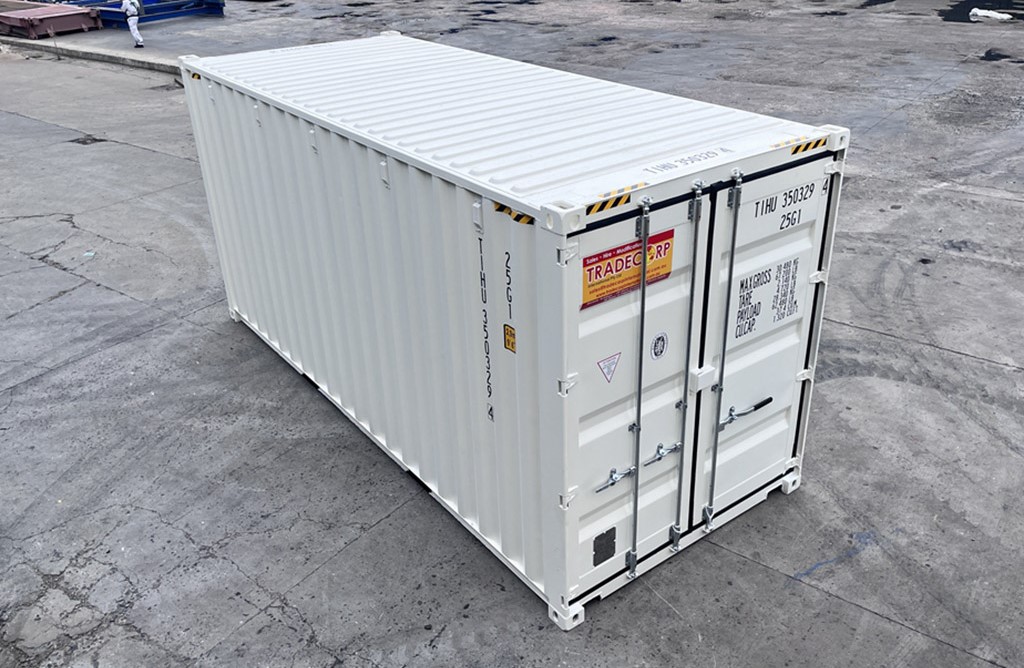
The basic principle is that containers should be returned in as close to the condition as possible, with reasonable tolerances for normal wear and tear. Minor scratches from normal use are generally acceptable, but major damage is clearly the renter’s responsibility.
Document the Initial Condition
A smart step that’s often overlooked is documenting the condition of the container when it’s first received. Take photos of the interior and exterior, including any pre-existing defects. This documentation protects the renter from being accused of damaging something that was actually damaged from the start.
Report Problems Early
If there is damage or a problem during the rental period, report it immediately to the provider. Delaying reporting can only exacerbate the problem and increase costs.
Maintaining Container Cleanliness
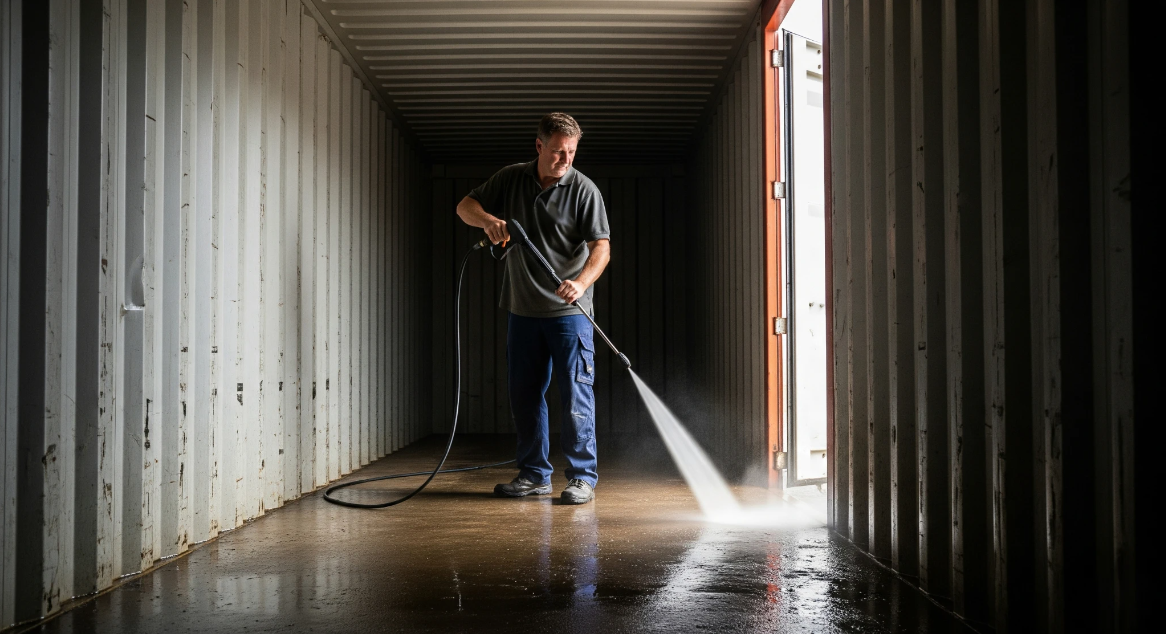
Cleanliness is the most often overlooked aspect of maintenance. After loading items that leave residue, spills, or odors, clean the interior before returning them. Loads such as food, liquids, or dusty materials leave traces that, if left unchecked, can harden or develop odors that are difficult to remove.
Cleaning up after cargo also prevents other problems. Organic residue can cause mold and odors, while certain liquid residues can accelerate corrosion. Cleaning the container immediately after use is much easier than letting it harden and set.
Prevent Rust and Structural Damage
Beware of Stagnant Water and Moisture
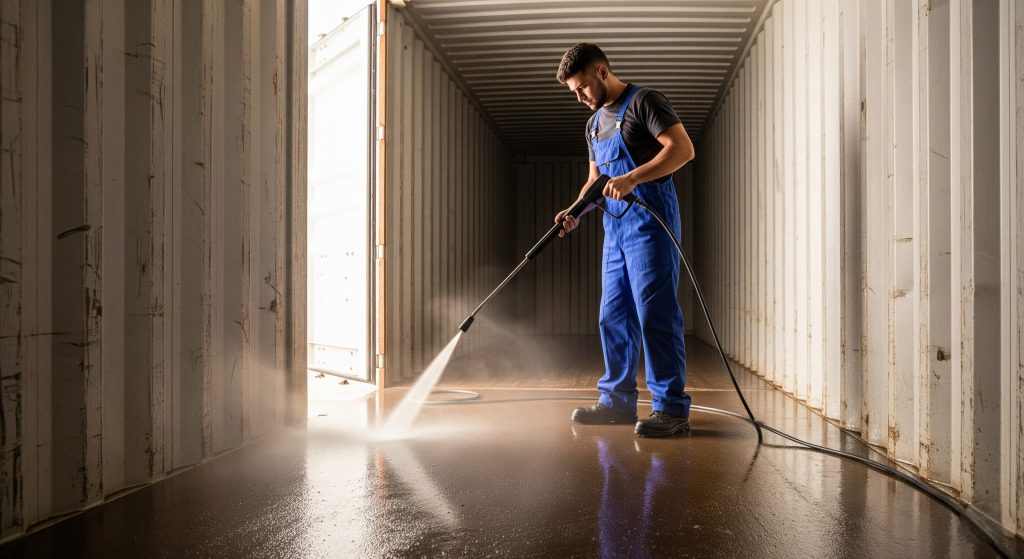
Containers are made of metal that is susceptible to rust if exposed to water for too long. Avoid allowing water to pool inside, and ensure the container is not exposed to excessive moisture. If the interior gets wet, dry it as much as possible before sealing it tightly.
Don’t Overload
Each container has a maximum load limit. Forcing a load beyond this limit can permanently damage the floor, walls, or structure of the container. Damage resulting from overloading is clearly the responsibility of the renter, so adhere to the specified capacity.
Maintain Doors and Seals
Doors and locking mechanisms are often damaged by rough handling. Do not force a door open or closed if it is stuck. Move it slowly and ensure the hinges are not forced. A damaged seal can allow water to enter and cause other problems.
Maintaining Specialized or Modified Containers
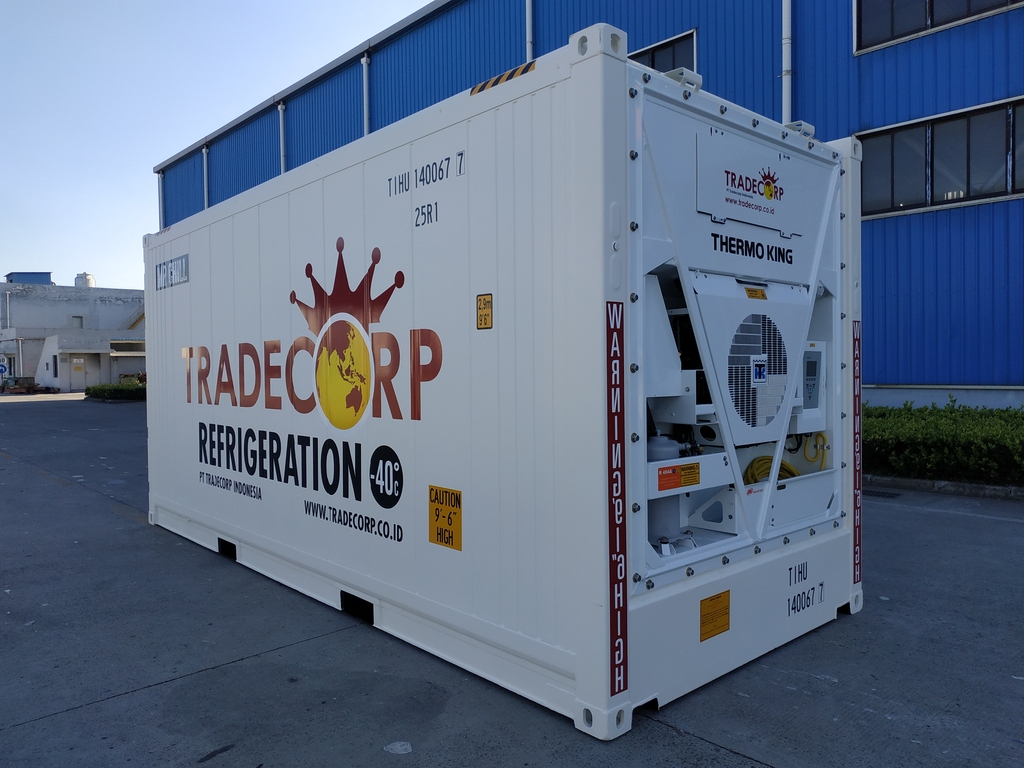
Standard containers are relatively easy to maintain, but specialized or modified containers require extra care. Reefer containers, for example, have expensive and sensitive cooling systems. Do not turn off the cooling unit carelessly, ensure air circulation is not obstructed by the load, and report any signs of damage to the system immediately.
Open top and flat rack containers also have special characteristics. The tarpaulin covering an open top container must be protected from tearing, while the folding walls of a flat rack container require careful handling when opening or closing. Special containers are generally more expensive, so damage can be more costly. The more specialized the container, the more care is required.
Mistakes That Increase Costs
The following table summarizes common mistakes that often lead to additional costs and how to avoid them.
| Mistake | Impact | How to Avoid |
| Returning dirty | Cleaning costs | Clean up remaining cargo before returning |
| Allowing water to pool | Rust on metal | Dry and prevent pooling |
| Overloading | Structural damage | Adhere to maximum capacity |
| Forcing doors to jam | Damaged hinges and seals | Move slowly, don’t force |
| Ignoring Specialized containers | Damage to expensive components | Follow appropriate handling |
Looking at this table, it’s clear that most additional costs stem from small, easily preventable issues.
Conclusion
After knowing the answer to the question “How to do maintenance for my container rental?”, your container rental will stay in good working condition longer, protecting your investment and improving jobsite efficiency.
Buy or rent shipping containers from Tradecorp, a reliable container sales, purchase, rental, and modification service company. Tradecorp meets your jobsite storage container needs.
We also offer modification and custom shipping container services, including adding windows, doors, walls, and roof insulation.
Our experienced staff is ready to help you arrange the shipping of your container to your requested location. Fill out our quote form to buy or rent from us!