
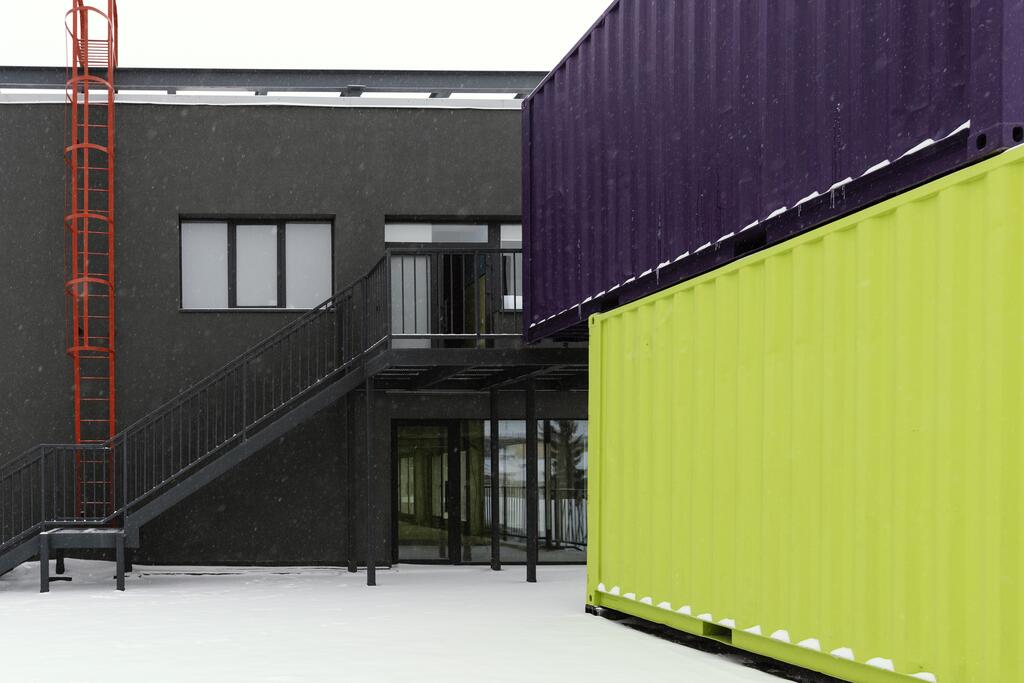
Building container apartments for workers in a mining camp can be a cost-effective, fast, and durable housing solution. This is especially beneficial in remote areas where traditional construction is difficult.
Some advantages you will get from using container apartments for Mining Camps are their fast deployment, their modularity, their relocatability if the mining site moves, and their durability in harsh environments.
This article will discuss the tips for building apartments for workers in a mining camp, including how many units you will need for certain workers.
Contents
Tips on Building Container Apartments
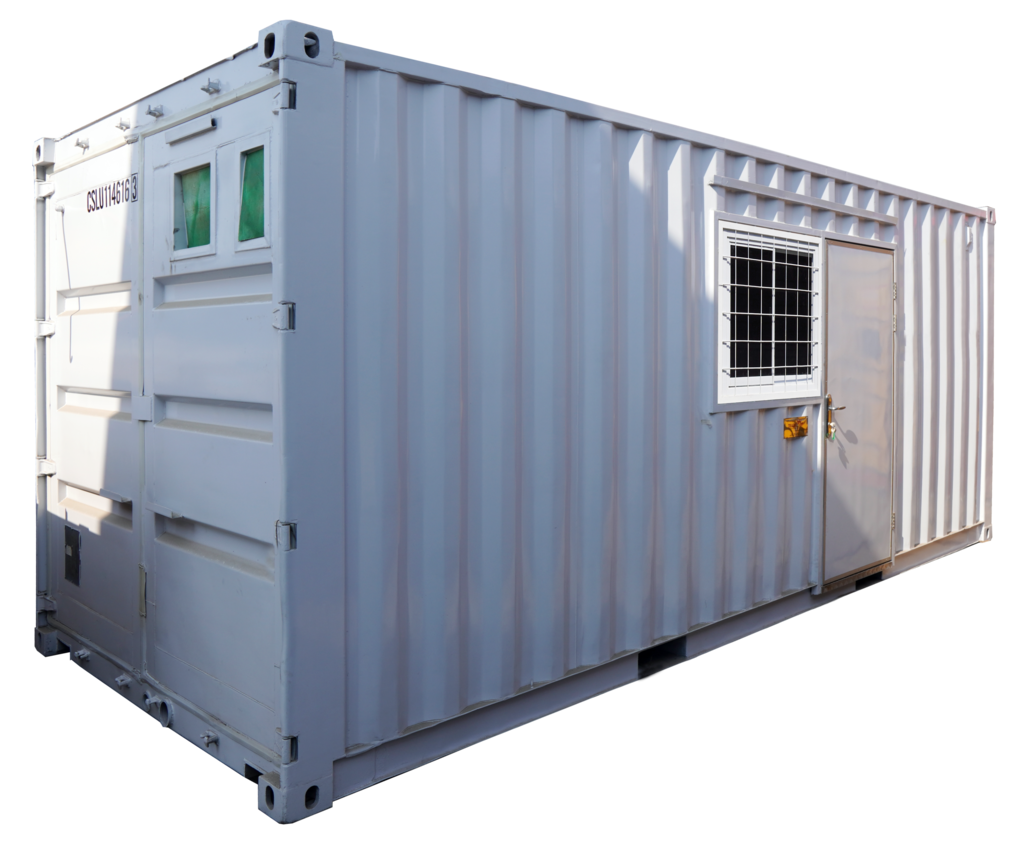
1. Concept Overview
Container apartments are widely used because mining projects often require temporary but high-capacity housing in areas with limited infrastructure. This modular housing system uses modified shipping containers to create modular living units.
These can be single-occupancy rooms, shared dorm-style units, or full apartment-style units with a bedroom, bathroom, and kitchenette.
2. Planning & Layout
Planning and laying out a container-based mining camp isn’t just about placing units. It is also about creating a functional, efficient, and livable mini-settlement. Good planning improves worker comfort, safety, and operational efficiency.
Try to always start with a master plan rather than individual units. At its simplest, key design considerations of a container apartment are:
- Capacity: Number of workers per unit (1-4 typical)
- Privacy level: Dormitory vs. private rooms
- Stacking: 1,3 floors, depending on safety and budget
- Climate: Insulation is critical (hot mining zones need cooling)
Each unit becomes a self-contained or semi-contained apartment, depending on the level of comfort required.
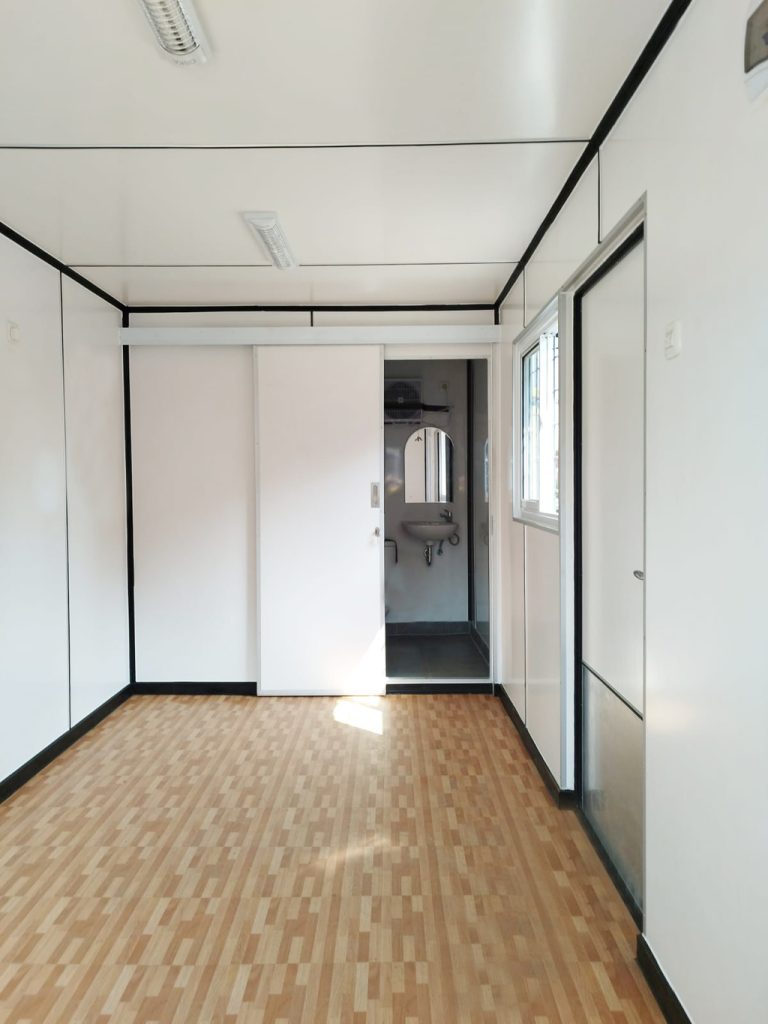
3. Container Unit Types
Container apartments can be configured into several unit types. They depend on worker roles, comfort level, and project budget. Choosing the right mix is critical for efficiency, morale, and long-term usability.
Container unit types should be selected based on budget, worker comfort expectations, project duration, and site conditions. The goal is to balance cost efficiency + livability, not just maximize capacity.
20ft Container
- 1 worker
- Bed + desk + storage
- Optional shared bathroom
40ft Container
- 2 4 workers
- Bunk beds + bathroom + small kitchen
Combined Units
Multiple containers joined for family units and supervisor housing
4. Infrastructure Requirements
Container apartments are only effective when supported by reliable infrastructure systems. In remote mining camps, you are essentially building a self-sufficient mini-city, so utilities and site prep must be robust, redundant, and easy to maintain. This includes:
Utilities
- Water supply & treatment
- Sewage system
- Electricity
- Heating, ventilation, and air conditioning
Site Prep
- Level ground / concrete footings
- Drainage system to avoid flooding
- Road access for containers movements
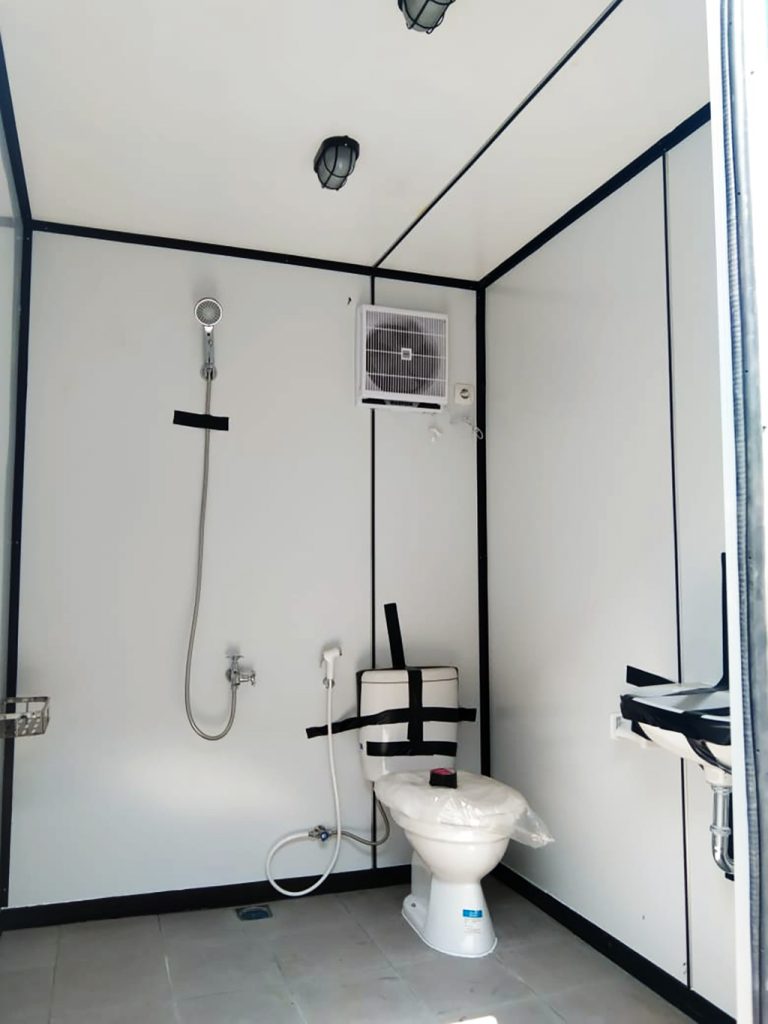
5. Insulation & Comfort
Shipping containers are made of steel, which means they heat up quickly and lose heat fast. This makes mining sites often face extreme temperatures, which directly affects worker productivity, safety, and retention.
Therefore, without proper insulation and comfort design, they can become extremely hot, humid, or uncomfortable.
Insulation is critical. Without it, the container interior can reach 104°F in direct sun. To handle this, you need to:
- Use PU spray foam or rock wool insulation
- Install ventilation systems
- Add air conditioning or heating
- Use reflective roof coatings to reduce heat
Proper insulation turns a container into a livable, stable indoor environment.
6. Safety & Compliance
In a mining camp, safety is critical. Therefore, the container apartments must meet industrial safety standards, local regulations, and international best practices to protect workers and ensure uninterrupted operations.
These are the safety and compliance requirements you must follow:
- Fire safety, including the alarms, extinguishers, and exits.
- Structural reinforcement for stacking.
- Electrical safety for the industrial standard.
- Local labor and housing regulations.
How Many 20′ Containers Would You Need for 100 Workers?
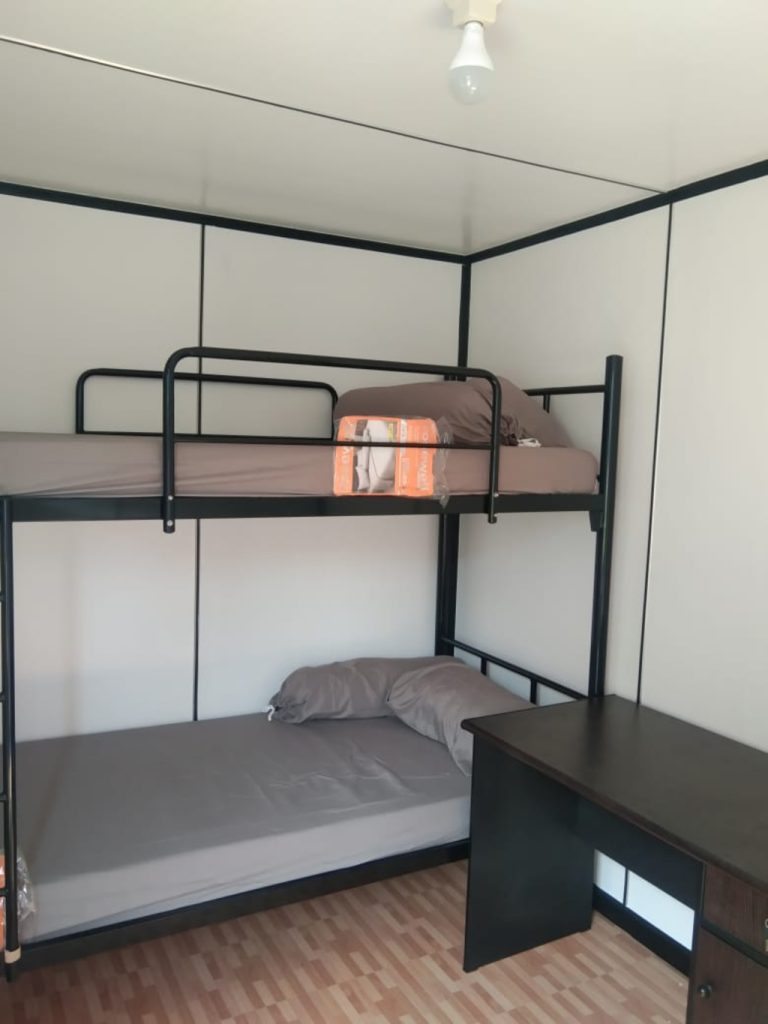
The number of 20ft containers you need for 100 workers depends mainly on how many people share one unit.
A standard 20’ container is perfectly fitting for 1 person (high comfort), 2 people (common standard), or 4 people (tight dorm style). Therefore, you will need this number of 20’ containers for 100 workers:
Option A: High Comfort (1 person per container)
To provide high comfort for 100 workers, you will need 100 containers. This type of apartment is best for supervisors or long-term stays. However, this option will be more expensive, as you will need more containers and more land.
Option B: Standard (2 people per container)
Option B is the most common option for a standard worker apartment. For this option, you will need 50 containers to accommodate 100 workers. Each container apartment unit can include 2 beds, storage, and a small desk. This is good for the balance of cost & comfort
Option C: Dorm Style (4 people per container)
To accommodate 100 people, you will only need 25 20’ container units if you use option C. However, it is not recommended, as it will provide lower comfort and less privacy for the worker.
Inside these container apartments, you can have 2 bunk beds and a few shared facilities like a wardrobe and desk.
Space Management
While some people might find the snug quarters cozy, others might feel claustrophobic. For example, standard shipping containers from Tradecorp have a 20’ x 8’ x 8’6” dimension, which may be enough to store items, but need adjustments to allow for smooth human movement.
To allow for enough space, these aspects are important:
Efficiency
Container apartments tend to be minimalist by nature, so it’s all about getting creative with how you use your square footage. Therefore, maximizing your space is not optional; it’s essential. Fortunately, this is where smart design comes into play.
Many people living in containers commonly use fold-out desks, convertible sofas, and collapsible tables. These pieces of furniture don’t just save space – they also help you avoid that cramped, cluttered feeling.
Vertical Space
Wall-mounted shelves, overhead cabinets, and lofted areas for sleeping or storage are common solutions in container design. Those are some examples of vertical space.
You can even use the space under your bed for additional storage, which helps free up floor space. If you’re a fan of organization, you’ll thrive in this environment. Every inch counts, and being organized becomes a crucial skill for living comfortably.
However, there is a learning curve. If you’re coming from a larger space, you might initially struggle with deciding what to bring and what to leave behind. But once you start embracing the minimalist approach, you’ll realize you don’t need as much as you thought.
Conclusion
While living in shipping container apartments may not be for everyone, the biggest advantages of container apartments are speed, strength, modularity, cost savings, portability, and sustainability.
We provide containers for living spaces and other purposes, as we understand the diverse needs of the market and offer a wide range of container options to meet these demands.
We provide modification and custom shipping container services by adding windows, doors, walls, and roof insulation. Our experienced staff is ready to assist you in arranging the shipping of your container to your requested location. Fill out our quote form to buy!