

There are numerous container home design ideas that you can apply to your container home. However, you should pick the one that really matches your conditions, environments, and needs.
In a four-season country, having a container home means focusing on insulation, moisture control, snow loads, solar orientation, and efficient heating/cooling while still taking advantage of the container’s modular flexibility.
Building a container house in a four-season country is much more about building science than simply stacking shipping containers. A successful four-season container house treats the container as a structural shell, not as the finished home itself.
Here are some container home design ideas that will be perfect for four-season country living. Find out your favorite!
Four-Season Country Container Home Designs
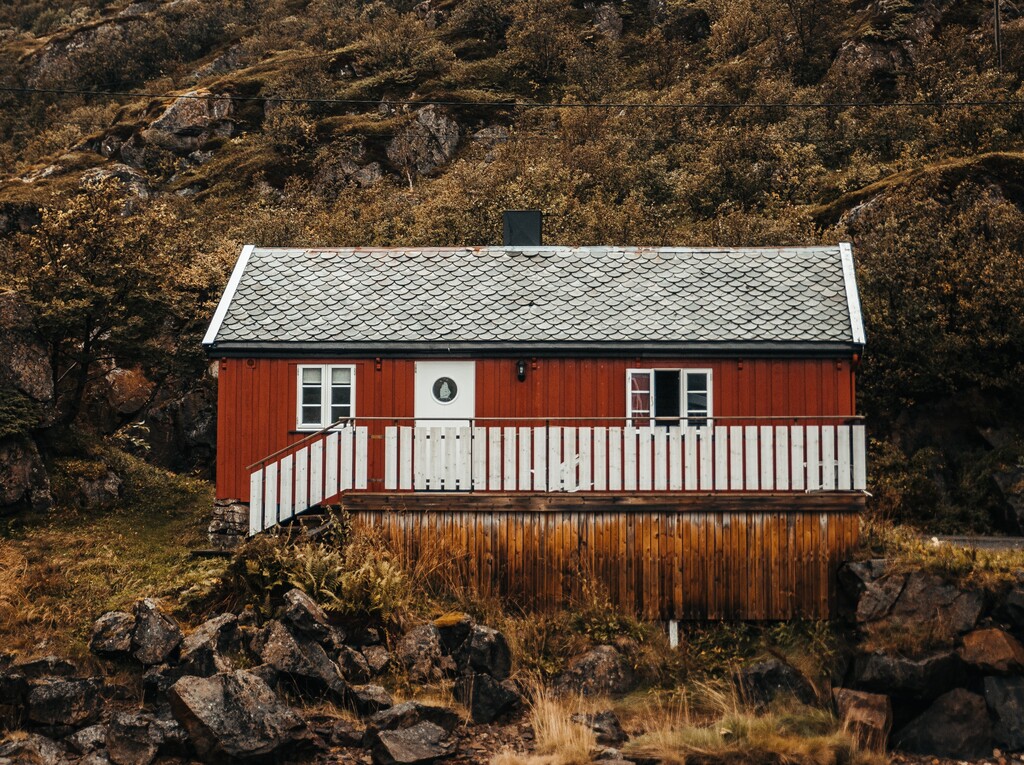
A Scandinavian cabin concept works well with shipping container construction, especially in cold climates. The key is to treat the container as the structural core while designing the exterior and interior around Scandinavian principles: simplicity, warmth, natural light, efficiency, and strong insulation.
A shipping container can become an excellent skeleton for a Nordic-style cabin if you prioritize insulation, daylight, and natural materials.
Scandinavian design fits container homes because both styles emphasize minimalism, efficient use of space, modular construction, energy efficiency, and a strong indoor-outdoor connection.
To make a container feel Scandinavian, add a real roof structure instead of exposing the flat container roof. Then, wrap the exterior in wood.
Japanese Minimalist Homes
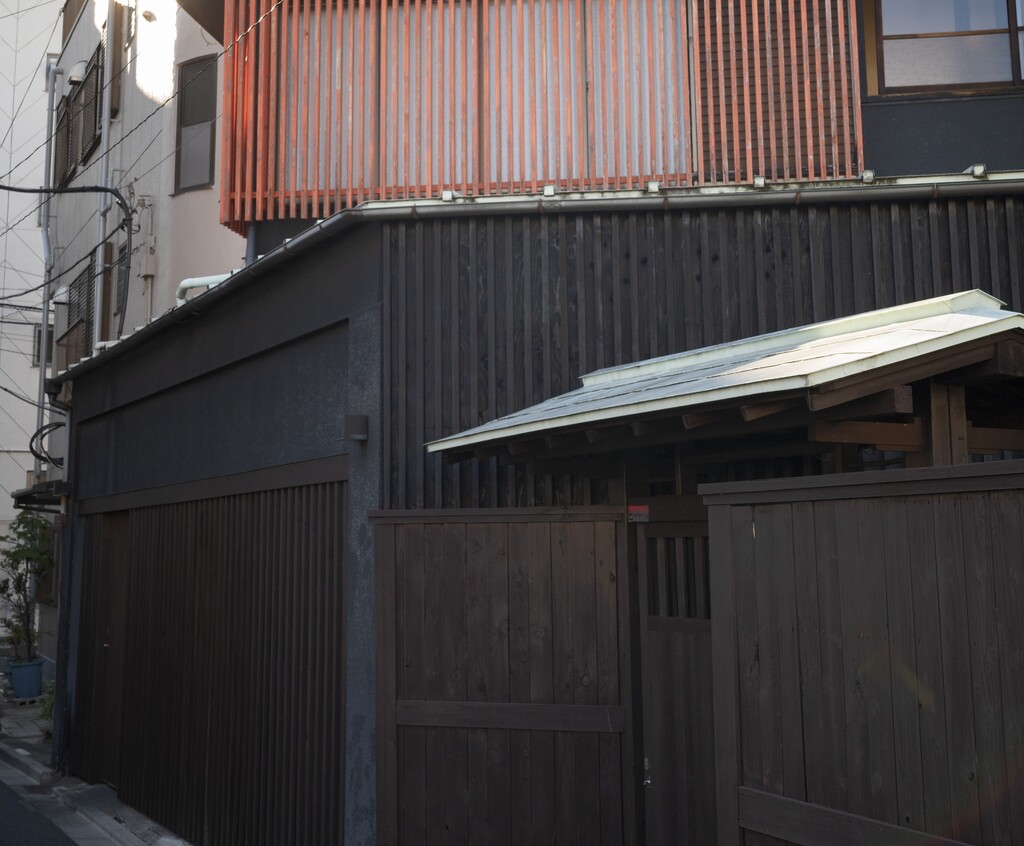
Japanese minimalist architecture and shipping container construction are actually very compatible when designed thoughtfully. Both prioritize efficiency, simplicity, modularity, and intentional use of space.
One of the strongest Japanese home concepts that you can use is the Zen courtyard container house with an L-shape or a U-shape layout. This layout features a central private garden or courtyard and sliding glass walls opening inward. This works especially well in dense urban or forest settings.
Another concept you can apply is the Japandi Cabin, a blend of Japanese and Scandinavian minimalism. The characteristics of this concept include warm wood interior, matte black exterior, simple geometry, soft natural lighting, and minimal furnishings. Containers are excellent for this because their geometry already supports clean, minimalist lines.
Japanese design softens and humanizes the steel box through light, wood, texture, and proportion.
The challenge is making the container feel calm, open, and natural rather than narrow and industrial. The best designs use the container as a hidden structure while the experience feels warm, quiet, and connected to nature. Therefore, you need to avoid leaving too much exposed metal.
Modern Farmhouse Container Hybrids
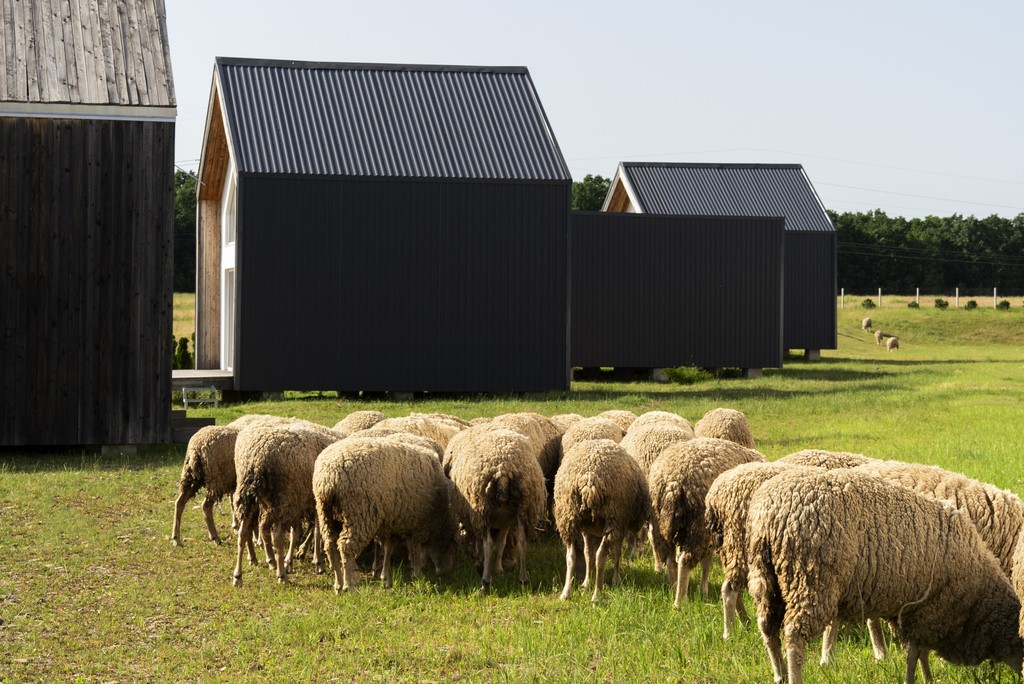
In many cases, the modern farmhouse container hybrids approach works better than an all-container build because it combines the structural efficiency of containers with the openness and warmth of traditional farmhouse design. The result can feel much more like a high-end custom home than a container house.
Shipping containers are excellent for structural modules, bedrooms, offices, utility spaces, or garages. Meanwhile, the traditional framing is better for large open living rooms, tall vaulted ceilings, wide kitchens, or complex rooflines. Combining both gives you faster structural construction, reduced steel modification costs, and more natural room proportions.
Alpine Prefab Designs
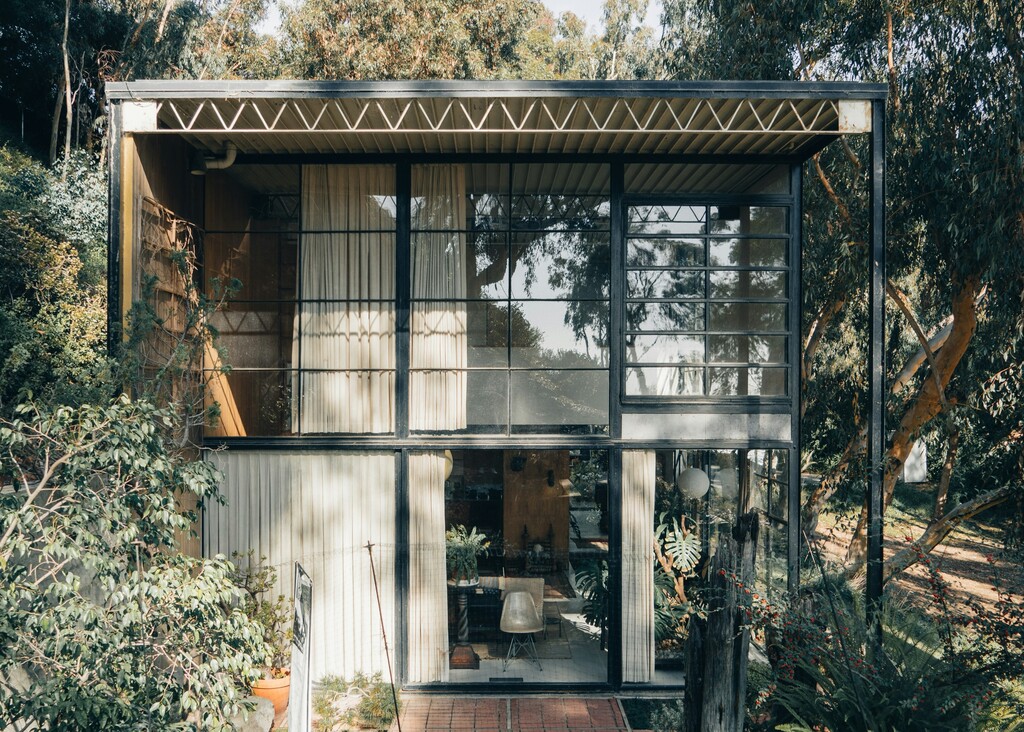
Alpine prefab design is actually one of the strongest architectural directions for shipping container homes, especially in mountainous or snowy four-season environments. Containers naturally suit prefab construction, and alpine architecture already emphasizes compact forms, durability, energy efficiency, and modular building.
The important part is adapting the container to alpine conditions rather than leaving it as a raw steel box.
A successful alpine prefab hybrid usually combines strong roof forms, warm natural materials, panoramic glazing, compact efficient layouts, high insulation, indoor-outdoor mountain connection.
Long Linear Cabin Style
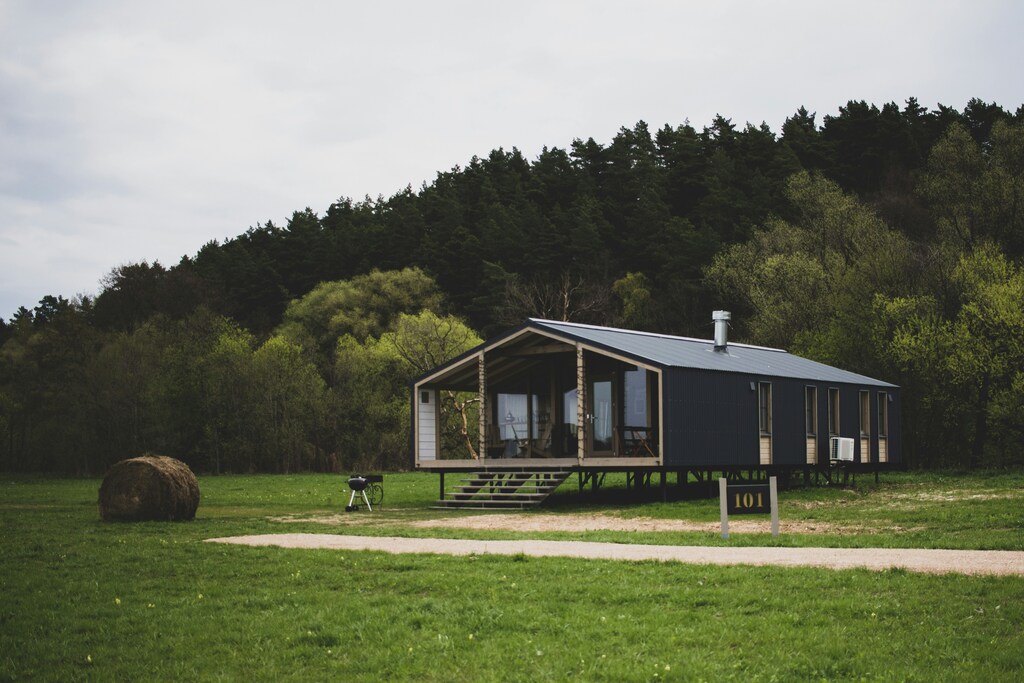
The long linear cabin style is a simple and cost-effective design. This is best for narrow lots, rural landscapes, and forest or mountain settings.
This features one or two 40’ containers that include an open kitchen/living area, bedrooms on ends for thermal separation, large south-facing windows, and deep roof overhangs.
This style performs very well with super-insulated walls, mini-split heat pumps, and a metal standing seam roof.
Multi-Level Modern Farmhouse
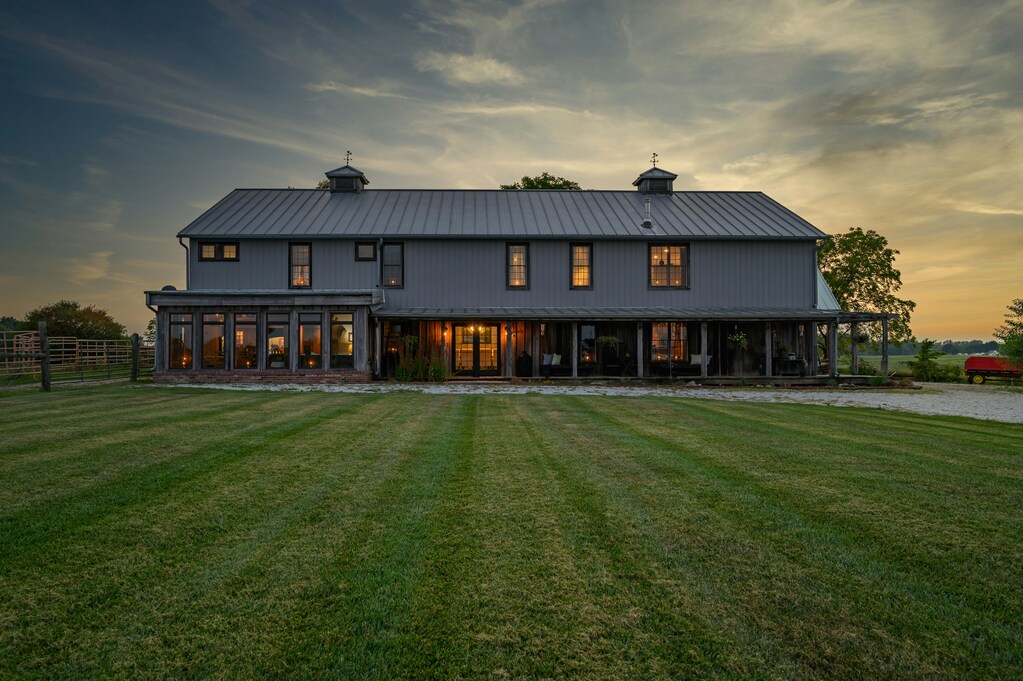
The multi-level modern farmhouse concept requires you to stack containers to create a larger family home.
In the lower level, you can create a garage, a mudroom, and utility spaces. Meanwhile, in the upper level, you can create living areas with views and sunlight.
For cold climates, add a conventional roof over the containers, attic ventilation, and triple-pane windows.
Critical Four-Season Design Features
Roof-Over Design
The roof-over design is one of the smartest upgrades for four-season living. This secondary roof prevents snow accumulation directly on the container roof, reduces summer overheating, and protects steel from water exposure.
The popular styles of the roof-over design are gable roof, shed roof, and Scandinavian-style steep roof.
Raised Foundation
Avoid placing containers directly on grade in freeze-thaw climates. The better choice is to place them on helical piles, a frost-protected slab, and a pier foundation. This will result in easier plumbing protection, better moisture control, and reduced corrosion risk.
Interior Design Ideas for Cold & Warm Seasons
Designing a container home for four-season living means balancing insulation, sunlight, airflow, moisture control, and adaptable interiors. Shipping containers can feel either cozy or harsh depending on how materials, colors, and thermal strategies are handled.
For colder seasons, you need to have some comfort features like radiant heated floors, a wood stove centerpiece, thermal curtains, a mudroom entry, a boot drying area, and an indoor firewood storage niche.
Meanwhile, for warmer seasons, your house needs to be equipped with cross-ventilation windows, ceiling fans, exterior shading, operable clerestory windows, and covered decks.
Exterior Finishes That Work Well
Most successful four-season container homes partially hide the container structure. To achieve that, you can combine container structure with charred wood siding, fiber cement panels, corrugated steel accents, stone foundation walls, or black-framed windows.
This helps improve insulation layering and create a warmer residential aesthetic at the same time.
Smart Energy Systems
Having smart energy systems in our house means that you need to pair:
- Solar + battery backup
- Heat pump HVAC
- ERV/HRV ventilation system
- Rainwater collection
- Backup wood heat
In colder regions, an HRV/ERV system is especially important because airtight container homes can trap humidity.
Common Mistakes to Avoid
1. Insulating Only from Inside
In a four-season climate, insulating a container home only from the inside will create problems related to condensation, thermal bridging, energy efficiency, and long-term durability.
Steel containers behave very differently from wood-frame houses. Interior-only insulation often traps moisture against cold steel, which can eventually cause corrosion, mold, and poor thermal performance.
The steel remains exposed to outdoor temperatures because the insulation is inside the thermal envelope. That means the steel shell becomes cold in winter and water forms behind the walls. Over time, this can lead to rust, hot in interior framing, and insulation degradation.
2. Keeping Original Container Roof Exposed
The roof is actually the weakest thermal part of most shipping containers. A container roof is basically thin corrugated steel, designed for cargo protection, not for human comfort.
In a four-season climate, it usually creates serious problems with heat, condensation, leaks, noise, and durability. In winter, the roof becomes ice-cold. In summer, it can become extremely hot under direct sunlight. That temperature transfer moves directly into the living space.
A “roof-over” system solves many problems. They can protect steel roofs, reduce solar heat gain, improve snow shedding, and create ventilation. This is one of the smartest upgrades in four-season climates.
3. Oversized Windows in Cold Climates
Oversized windows in a container house can look spectacular in snowy forests, mountains, or open countryside. But, in a four-season climate, they are one of the easiest ways to create an uncomfortable, inefficient, and condensation-prone home if they’re not designed carefully.
The challenge is balancing views, daylight, passive solar gain, heat loss, structural integrity, and summer overheating. Moreover, container homes make this even more complicated because cutting large openings weakens the steel shell.
However, you can minimize the negative effects of oversized windows by using triple-pane glazing, proper solar orientation, and high-performance frames.
Conclusion
Buy or rent shipping containers from Tradecorp, a reliable container sales, purchase, rental, and modification service company. Tradecorp is here to meet your jobsite storage container needs.
We also provide modification and custom shipping container services by adding windows, doors, walls, and roof insulation.
Our experienced staff is ready to help you arrange the shipping of your container to your requested location. Fill out our quote form to buy or rent from us!