
One of the few examples of container locks is GPS. While it is not a physical lock, it’s often treated as part of a smart container lock system. This is because GPS adds a powerful security and control layer on top of traditional container locks.
Using GPS security for cargo safety is one of the most effective ways to protect shipments from theft, loss, and unauthorized handling.
GPS combines real-time tracking with smart alerts and data insights to always let you know where your cargo is and what’s happening to it.
To know the working process, features, and best combo of GPS, one of the smartest container locks exists. Read this article!
Contents
What is GPS Cargo Security?
GPS cargo security uses Global Positioning System devices installed on the container body to track the location and condition in real time. It is used in logistics companies to track fleets across countries, especially on high-value goods shipping like electronics and luxury items.
It is also used for cold chain transport to ensure the product quality and in e-commerce deliveries with real-time customer updates.
GPS is widely used for its immediate alerts that can reduce theft risk. It can also gain better customer trust, as you can share tracking updates with clients.
How It Works
1. Getting the Location (GPS Signals)
GPS will get the real-time location when the tracker communicates with satellites. The satellites send signals down to Earth, and the device calculates its position using multiple satellites to determine latitude, longitude, speed, and direction.
2. Sending the Data (Communication Network)
Once the location is calculated, the tracker sends it to a server using:
- Cellular networks: Most common on land
- Satellite communication: Used at sea or in remote areas
- Bluetooth / LoRa: short-range or low-power setups
3. Cloud Platform Processing
After that, the data will be received by the cloud platform to be processed. These systems store location history, display containers on maps, and analyze container routes.
4. User Access (Dashboard or App)
When the data processing is finished, you can access the information through web dashboards, mobile apps, or automated alerts.
5. Smart Alerts & Sensors
Modern container GPS devices often include extra sensors. These include door sensors to alert if the container is opened, motion sensors to detect unexpected movement, temperature sensors to protect sensitive cargo, and geofencing to alert if the container leaves a defined area.
6. Power System
Container GPS trackers are designed for long trips. It is powered by a battery that can last weeks to years, depending on usage. Some use solar panels for extended life, and some use smart devices that go into sleep mode to save energy.
Container GPS Features
1. Real-Time Tracking
GPS real-time tracking is the core technology behind modern cargo, fleet, and asset monitoring. It allows you to see the exact location of a vehicle or container instantly, as it moves.
It works by receiving signals to communicate with satellites and calculating the position. Then, the data will be sent via cellular or satellite network to a cloud processing platform so that you can see the live location of the container on your dashboard.
2. Geofencing Alerts
Geofencing alerts let you create virtual boundaries and get notified instantly when a vehicle or container crosses them. Geofencing uses the GPS to define a virtual perimeter on a map. When your tracked asset enters or leaves that zone, the system triggers an alert.
Geofencing alerts include entry alerts, exit alerts, restricted zone alerts, and dwell time alerts.
3. Tamper & Theft Detection
GPS tamper & theft detection actively detects interference, unauthorized access, or theft attempts and alerts you immediately. With tamper detection, the GPS watches for physical or behavioral anomalies of a container.
Without tamper detection, you only notice problems after the cargo is gone and catch the issue while it’s happening. Tamper detection will send you instant alerts if something suspicious happens.
4. Environmental Monitoring
The environmental monitor is equipped with sensors that measure the condition of your cargo in real time. It’s essential when you’re transporting sensitive goods like food, pharmaceuticals, or electronics.
With this feature, you can monitor the container’s temperature, humidity, shock, vibration, light exposure, and air pressure.
5. Route Optimization & History
GPS route optimization & history turns tracking data into actionable insights to help you choose the best routes now and continuously improve performance over time.
This means that the GPS will lead you to the fastest, safest, most efficient path. Then, the records of where the container has been.
It Will be Better if Combined with..
Hidden or Tamper-Resistant Trackers
Pairing hidden or tamper-resistant trackers together with a container GPS is a smart layered security approach. A standard container GPS tracker is visible or known, so a thief might try to remove or disable it.
Adding a hidden or tamper-resistant tracker gives you a backup tracking source and a higher chance of recovering stolen cargo.
So, during a threat when the primary GPS is removed or disabled, the system sends a tamper alert. Then, the hidden tracker continues sending location. Therefore, you can still track and recover the cargo.
IoT Sensors
Combining GPS with IoT sensors gives you full visibility over your cargo, including its location, condition, security, and handling throughout the journey.
An IoT system can tell you what’s happening to the cargo, collect the data, and then transmit it via cellular/satellite.
Custom Alerts
Setting up custom alerts for GPS tracking can get you instant warnings when something goes wrong. Custom alerts will notify you of unusual or risky events regarding route deviations, door openings, and delays.
The GPS tracker continuously sends location data. Then, the system compares data against predefined rules. If a rule is violated, an alert is triggered and will send you a notification via mobile apps, SMS, email, or dashboard notifications.
Regular Data Tracking
Combining GPS tracking with regular data tracking gives you more than real-time visibility. Regular data tracking shows what has happened over time.
So, instead of just live updates, the system continuously records location history, travel time, delays, stop durations, door activity logs, sensor data, and alert history.
This combination matters for incident Investigation, as it will give you the replay of the exact route taken and identify where delays or tampering occurred. This is also useful for performance optimization, as it will find inefficient routes, then reduce fuel and delivery time.
Other Container Locking System
GPS will be better if combined with other container locks, which are:
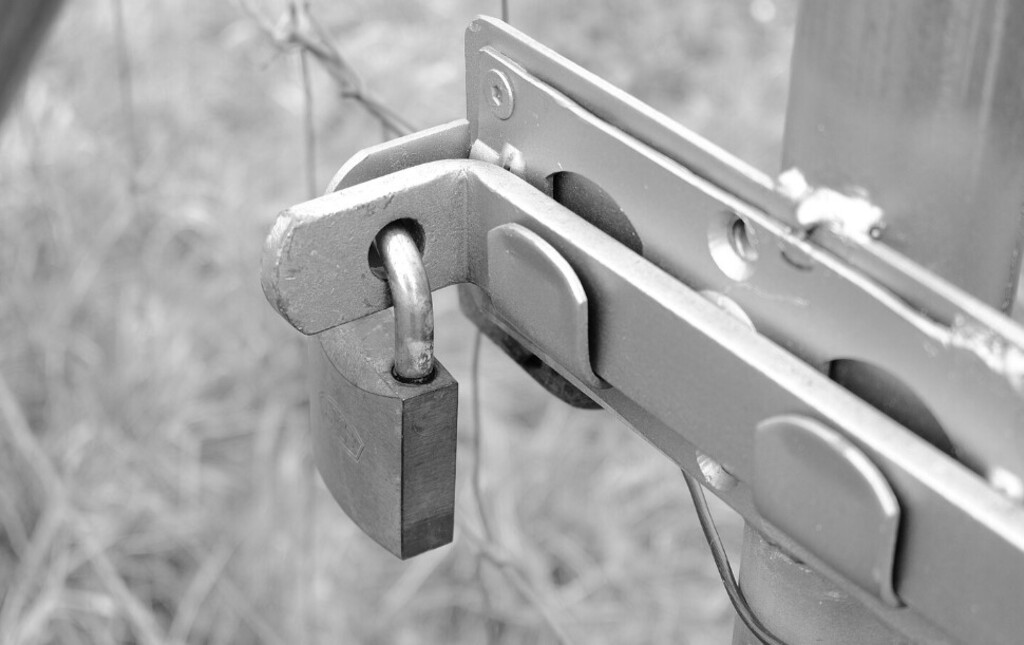
- Padlock: This fits through the lock box or hasp and protects against bolt cutters. This type of lock is best for general storage, mobile workshops, and daily access.
- Lock Box: usually welded or bolted over the padlock area to prevent tampering with the padlock by providing high security.
- Crossbar Lock: A heavy-duty steel bar that spans across both container doors and is placed over the vertical rods. It is often used with adjustable arms and hardened steel construction, perfect for storage containers and mobile businesses.
- Internal Locking System: Hidden from the outside, only accessible if you unlock and enter the container.
- Smart Locks: Offers a keyless entry using PIN codes, cards, or mobile apps and needs a power source like solar, battery, or plug-in. Some of them have audit trails, remote access, or temporary access codes that are best for commercial setups, shared access, and modern workshop builds.
Conclusion
GPS security transforms cargo safety from reactive to proactive. Instead of discovering problems after they happen, you can prevent them in real time.
Tradecorp is a reliable shipping container sales, purchase, rental, and modification service company. Tradecorp provides modification and custom shipping container services by adding windows, doors, walls, and roof insulation.
Our experienced staff is ready to help you arrange the shipping of your shipping container to your requested location. Fill out our quote form to buy or rent from us!