
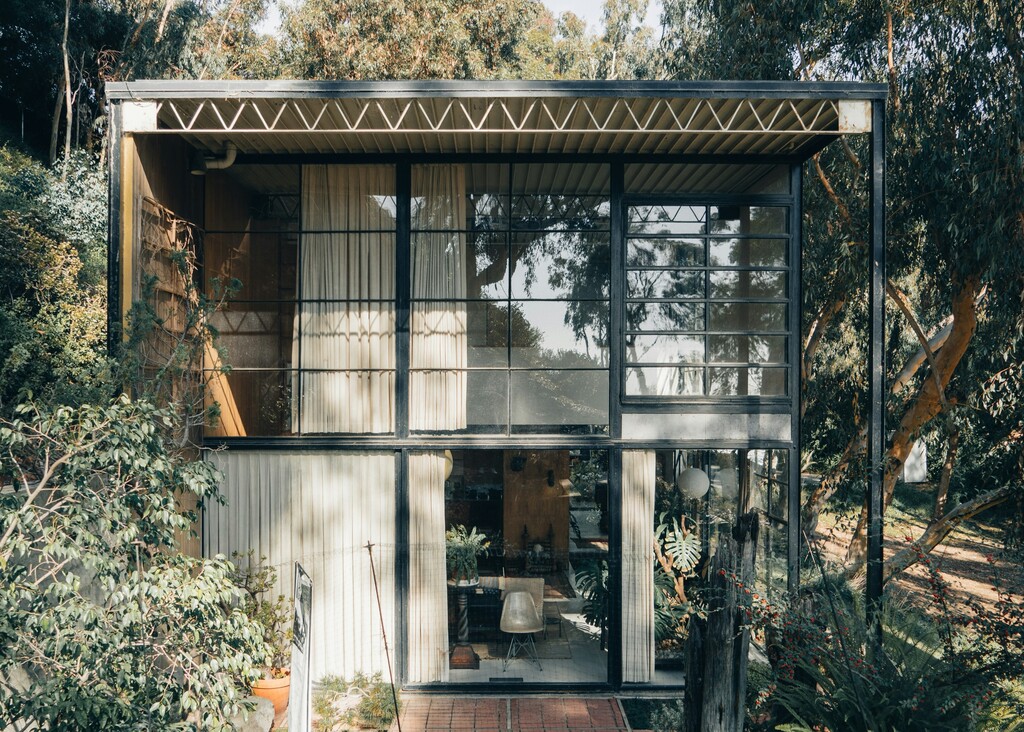
A conex box is house-made of steel, and steel reacts quickly to heat, sunlight, moisture, and temperature changes. Without preparation, the conex box house can become uncomfortable, inefficient, and even damaged over time. Therefore, preparing a conex box house for summer is important.
A conex house can turn into an oven during hot weather if it lacks insulation, ventilation, or reflective coatings. This will force air conditioners and fans to work harder, increasing electricity bills.
This is one problem that we must avoid. Read this article to know the 101 tips to prepare your conex box house for the summer!
101 Summer Conex House Tips
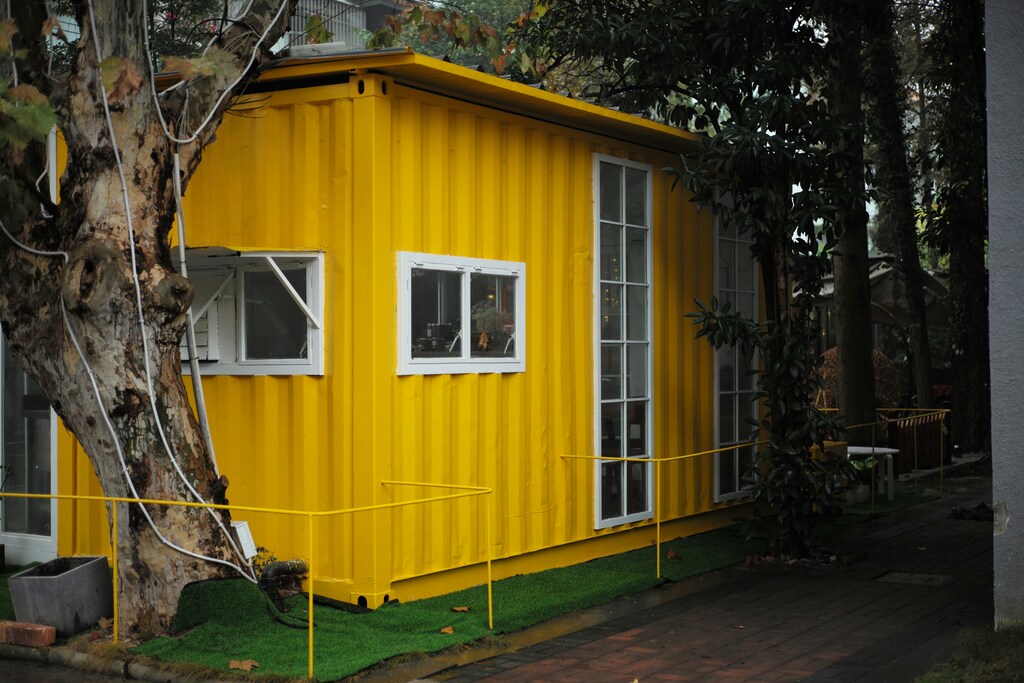
To prepare your conex box house for the summer, follow these tips!
- Install the most efficient cooling solution for metal containers, such as a mini-split AC system.
- Use a portable evaporative cooler in dry climates as a lower-energy alternative.
- Set ceiling fans to spin counter-clockwise in summer to push cool air down.
- Place a bowl of ice in front of a fan for a quick, cheap cool-down on hot days.
- Program your thermostat to pre-cool the container before peak afternoon heat.
- Keep interior doors open and add louvered vents on opposing walls to allow cross-ventilation between rooms or zones.
- Hang blackout curtains on sun-facing windows to block radiant heat.
- Use thermal-lined window coverings to reduce solar heat gain by up to 33%.
- Place dehumidifiers in humid climates because lower humidity makes the same temperature feel cooler.
- Cool your home in the early morning; keep windows and doors shut once it heats up outside.
- Use a whole-house fan to flush hot air out at night when outdoor temps drop.
- Invest in a smart AC controller so you can pre-cool the space before arriving home.
- Spray foam the interior walls — closed-cell foam is the gold standard for metal containers.
- Add rigid foam board insulation to the exterior before cladding for maximum thermal resistance.
- Insulate the roof heavily; metal roofs absorb enormous radiant heat in summer.
- Use a thermal break between metal framing and interior finish walls to stop heat bridging.
- Seal all gaps around windows, doors, and penetrations with weatherstripping or foam backer rod.
- Insulate the floor. A raised floor with insulation prevents ground heat from radiating up.
- Place a drip tray under the AC unit’s indoor head to catch condensate and prevent floor damage.
- Run AC on ‘eco’ or ‘sleep’ mode at night with a setting 2-4°F warmer.
- Use a smart plug timer to run the AC an hour before you wake up rather than all night.
- Consider a double-envelope technique: build an inner wall with a 2-inch air gap to buffer heat.
- Install ridge vents or a roof vent to allow hot air to escape passively.
- Test the internet and smart-home systems.
- Position intake vents low and exhaust vents high, as hot air naturally rises and exits from the top.

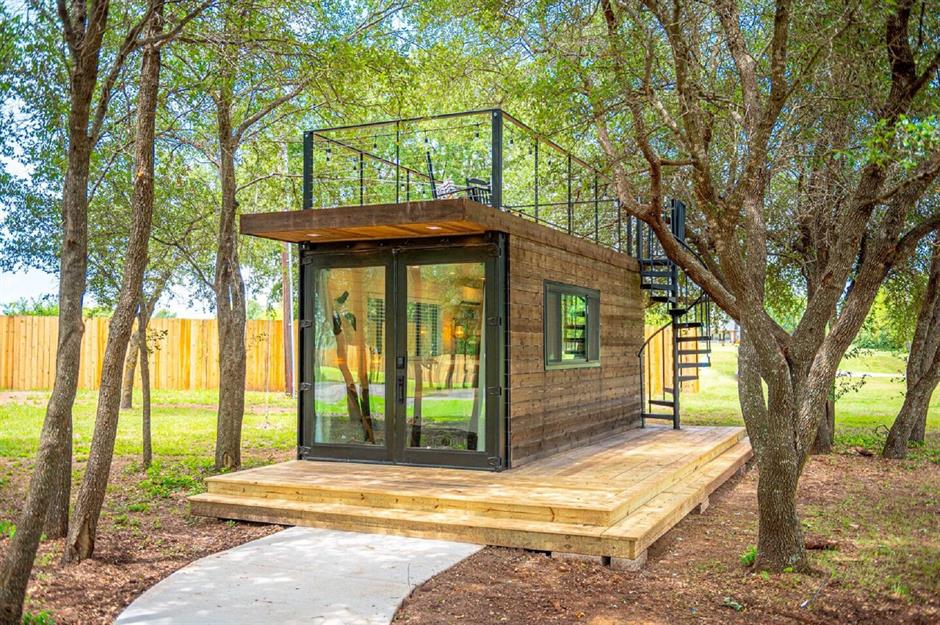
A steel container house - Keep ventilation grilles clean and unobstructed by furniture or storage items.
- Use an inline duct fan to boost airflow through longer HVAC duct runs.
- Replace HVAC air filters.
- Install bathroom exhaust fans vented to the exterior to reduce humidity from showers.
- Open windows at night when outdoor temps fall below indoor temps to flush hot air.
- Paint the exterior with cool-roof or heat-reflective paint to cut surface temperatures by up to 50°F.
- Choose light-colored exterior finishes, such as white or light gray, to reflect more solar energy than dark tones.
- Install a green roof or living wall to provide natural insulation and evaporative cooling.
- Clean solar panels for maximum efficiency.
- Plant fast-growing deciduous trees for natural shade.
- Install exterior window awnings or solar shades to block direct sun before it hits the glass.
- Apply a roof coating rated for metal roofs to reduce UV degradation and heat absorption.
- Check all exterior caulking and sealants and replace any that are cracked or brittle.
- Inspect welds and seams for rust spots; treat with rust converter and seal before summer rain.
- Power-wash the exterior to remove dirt and debris that can trap heat and accelerate corrosion.
- Use gravel or permeable pavers around the container base to reduce ground heat radiation.
- Add a covered porch or shade sail to create a usable outdoor living space on hot days.
- Ensure proper drainage channels around the foundation to prevent waterlogging after summer storms.
- Switch all lighting to LED bulbs, as they emit 70-90% less heat than incandescent bulbs.
- Use a slow cooker or outdoor grill instead of the oven to avoid adding heat inside.
- Run dishwashers and clothes dryers at night when outdoor temperatures are cooler.
- Use light-colored, breathable fabrics for furniture upholstery, bedding, and rugs.
- Store heat-generating electronics (gaming PCs, amplifiers) in ventilated areas or outside the main living zone.
- Add thermal mass (tile flooring, stone counters, water containers) to absorb daytime heat and release it at night.
- Apply window film with a high solar heat gain coefficient (SHGC) rejection rating.

Container homes - Use bamboo or cork flooring, as they stay cooler underfoot than dark hardwood.
- Keep the fridge and freezer well-stocked, as the full units run more efficiently and emit less waste heat.
- Run appliances only when necessary, and unplug devices when on standby to reduce heat.
- Place aloe vera or other moisture-releasing plants indoors for a small natural cooling effect.
- Use a mattress topper with cooling gel or breathable latex for better sleep on hot nights.
- Switch to cotton or linen sheets, as synthetic fabrics trap body heat.
- Install solar panels on the container roof to offset high summer AC power consumption.
- Add a battery storage system to use excess solar energy for nighttime cooling.
- Use a smart power strip to cut phantom loads from idle electronics.
- Summer heat and humidity accelerate corrosion; check all electrical connections and outlets.
- Inspect the breaker panel for any signs of overheating before AC season begins.
- Install a whole-home energy monitor to identify which appliances are driving summer power bills.
- Consider a solar-powered attic fan or exhaust vent that runs only when the sun heats the roof.
- Use ENERGY STAR-rated appliances; they generate less waste heat and lower utility costs.
- Add outdoor lighting for evening comfort.
- Air conditioning is often 50%+ of summer usage. Therefore, you need to size your solar array to your peak summer load.
- Install smoke and CO detectors on every level; test batteries before summer.
- Keep a fire extinguisher accessible and within its inspection date.
- Heat can cause door frames to expand and stick. Therefore, check that all emergency exits open freely.
- Store flammable materials away from the hot metal exterior walls.
- Heat increases gas expansion pressure; ensure your propane or gas lines have no leaks.
- Never run a generator inside or in a partially enclosed space; the risk of CO poisoning is high in summer heat.
- Inspect and service your AC unit before peak season to avoid breakdowns during a heat wave.
- Have a heat action plan: know where the nearest cooling center is in case of AC failure.
- Keep your first aid kit stocked with supplies for treating heat exhaustion and sunburn.

Shipping container house in the summer - Check that window screens are intact to keep insects out when ventilating.
- Don’t block exterior wall vents or air intakes with stored items or landscaping.
- Test all GFCI outlets — summer moisture increases shock risk near kitchens and bathrooms.
- Insulate hot water pipes to reduce heat gain in supply lines running through hot container walls.
- Install a tankless water heater to eliminate the standby heat a storage tank emits indoors.
- Check your roof for any leaks before the summer storm season begins.
- Clean gutters and downspouts so summer rain drains away from the container foundation.
- Consider a rainwater harvesting system to supplement irrigation during dry spells.
- Inspect all plumbing connections for corrosion. Heat and humidity accelerate galvanic reactions.
- Install surge protectors before storm season.
- Prepare a summer storm emergency kit.
- Check plumbing pipes for leaks.
- Store winter gear to free up space.
- Flush your water heater to remove sediment buildup before the high-usage summer season.
- Install low-flow showerheads and faucets; less hot water means less humidity indoors.
- Install a heat pump water heater; it doubles as a dehumidifier for the space it occupies.
- Use trellises with climbing vines on west-facing walls to provide shade and evaporative cooling.
- Add a radiant barrier under the roof, as an aluminized film can reflect 97% of radiant heat.
- Use a zoned HVAC system so you only cool occupied rooms, not the whole container.
- Install motorized window blinds on a schedule to auto-close during the hottest part of the day.
- Inspect the container foundation for shifting.
- Add shade-cloth fencing around the perimeter to reduce radiant heat from surrounding ground surfaces.
- Keep a battery-powered fan or backup cooler in case of a power outage during a heat event.
- Place water-retaining mulch around any plants near the container to reduce evaporation and ground heat.
- Create a cool ‘microclimate’ zone inside with a fan, cold drinks, and cooling towels for peak afternoon hours.
- Schedule an annual energy audit to discover hidden air leaks and insulation gaps before each summer.
Conclusion
By following those 101 tips to prepare your conex box house for summer, your home designs will remain in good condition longer, protecting your investment and keeping you safe, comfortable, and energy-efficient.
Buy or rent shipping containers from Tradecorp, a reliable container sales, purchase, rental, and modification service company. Tradecorp is here to meet your jobsite storage container needs.
We also provide modification and custom shipping container services by adding windows, doors, walls, and roof insulation.
Our experienced staff is ready to help you arrange the shipping of your container to your requested location. Fill out our quote form to buy or rent from us!