
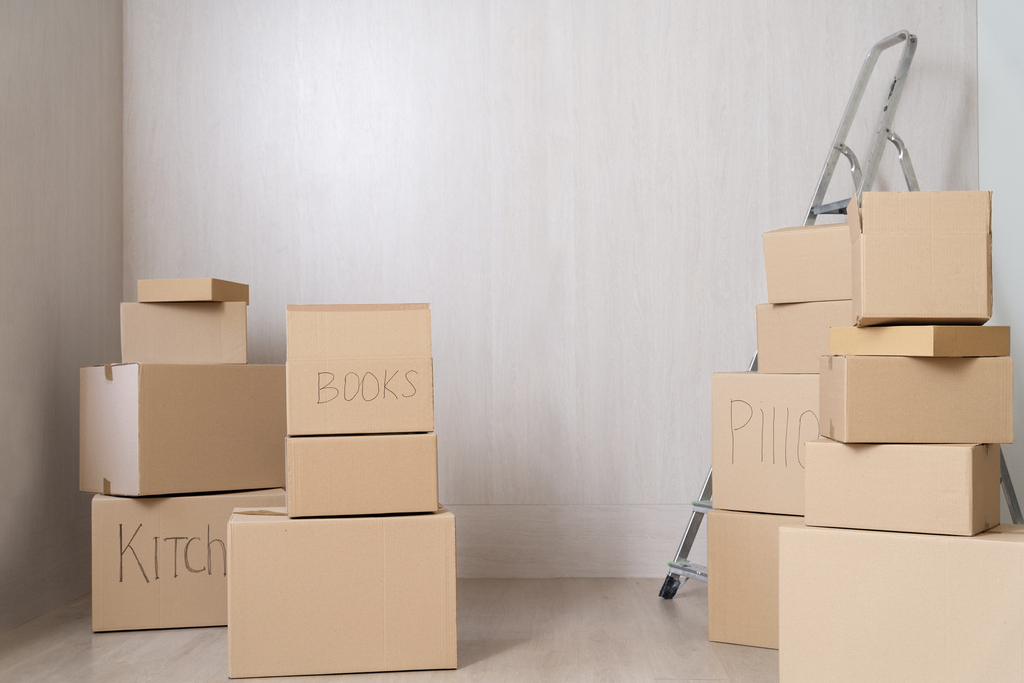
Residential onsite storage containers are portable, weather-resistant containers placed on a homeowner’s property for short- or long-term storage. The main function is to provide secure, convenient extra space without constructing a permanent building.
They provide a secure place to store belongings while moving in or out. Residential onsite storage containers are allowed in the US, but it depends on local laws and zoning ordinances, as there is no single nationwide rule.
Here is the list of states that allow the use of residential onsite storage containers!
When Are Residential Onsite Storage Containers Allowed?
Many U.S. cities and towns permit temporary portable storage containers on residential properties for moving, renovation, or construction. Conditions often include a time limit, a total unit, a position, and a construction type.
You can only have one container per property at a time (sometimes 9 days, 14 days, or more) that must sit on a driveway, paved surface, or other specified hard surface, not on lawns or public streets. Your storage container unit must not block access, sidewalks, fire lanes, or visibility. Then, if construction is involved, a valid building permit must be active.
However, sometimes they’re prohibited or restricted from permanent or long-term use in many jurisdictions. Some local ordinances explicitly ban cargo containers, shipping containers, and converted trailers from being used as accessory storage on residential-zoned land.
Why Are There Differences?
Land-use zoning, building codes, and aesthetics are generally controlled at the city or county level. That means what’s allowed in one city may be banned in another.
You can place a shipping container on your property, depending on whether your jurisdiction’s code deems it a temporary storage container, an accessory structure, or something else. Additionally, if there is a homeowner association (HOA), the HOA’s own covenants may be stricter (or allow nothing) even if the city code allows containers.
Therefore, you need to check your local city or county building code. If you live in a community with an HOA, review your HOA’s CC&Rs or rules to see whether they allow or ban storage containers.
States in the us that allow Residential Onsite Storage Containers

No U.S. state universally allows or disallows residential onsite storage containers, as all regulation is done locally by the city or county. However, these are the states that allow container-based homes or containers for residential use, subject to local zoning/building codes:
Texas
Residential onsite storage containers are possible in Texas, depends a lot on the city or municipality where your property is located. There is no statewide ban or one-size-fits-all law in Texas that forbids shipping/storage containers on residential property.
Many counties or rural/unincorporated areas in Texas are more container-friendly and do not enforce restrictive zoning, making container storage relatively easy if you own sufficient land. For short-term use during a move, renovation, or construction, many cities allow container placement under permit and with duration and placement restrictions.
California
Container homes or accessory-dwelling-unit (ADU) conversions are allowed in California when they meet state/building codes. The statewide baseline, California Building Code (CBC), is used whenever a container is repurposed as a permanent dwelling or occupied space. That means container homes or converted containers can be legal if they meet all structural, safety, insulation, fire safety, and code-compliance requirements.
In some cities/counties, containers are used for temporary storage during renovation or construction may be permitted, often with time, placement, and permit restrictions. You can plan for a container home or storage container, but you must check with your city or county planning/building department first.
Oregon
The state of Oregon is recognized among states that permit container homes with compliance with building regulations. In some parts of Oregon, you can have residential onsite storage containers, but only under certain conditions and according to local rules.
In Portland, Oregon, there is a formal guideline that allows cargo containers to be used as accessory storage structures in residential zones if they meet certain conditions.
Meanwhile, smaller municipalities, such as Gladstone, regulate local code for portable storage containers. The city may allow them under limited and temporary conditions. For instance, containers on residential lots are allowed under certain size limits and permit rules.
Florida
In Florida, container storage structures are allowed, though local permits and building-code compliance for wind/hurricane are required. At the state level, there is no blanket ban on shipping-container homes or storage containers. The Florida Building Code (FBC) applies to all residential builds, including container-based structures.
Moreover, many Florida localities allow container-based buildings if the structure meets FBC requirements. For instance, in Lakeland, shipping containers have been approved for use as residential storage if they are installed on a permanent foundation.
Louisiana
Louisiana is often listed among states that permit container homes under local regulations. The state uses a statewide building code system, which is based on common model building codes. This means that if a container conversion meets the required building standards, there is a regulatory path for approval.
Therefore, you need to check which parish or city your property is in, as zoning and permit rules differ across parishes/municipalities.
Missouri
Some Missouri municipalities allow storage containers, but often only temporarily or under strict conditions. In Lake Saint Louis, they are allowed in a residential zoning district, but only if it is no more than 20’ in any dimension, placed on a paved/hard surface, at least 10 ft from the front property line, and not more than one container per lot. Also, you must obtain a permit first.
Meanwhile, in Kansas City, temporary portable storage containers are permitted on lots with detached houses, but only for up to 30 days within any 6 months.
Storage Container Recommendations
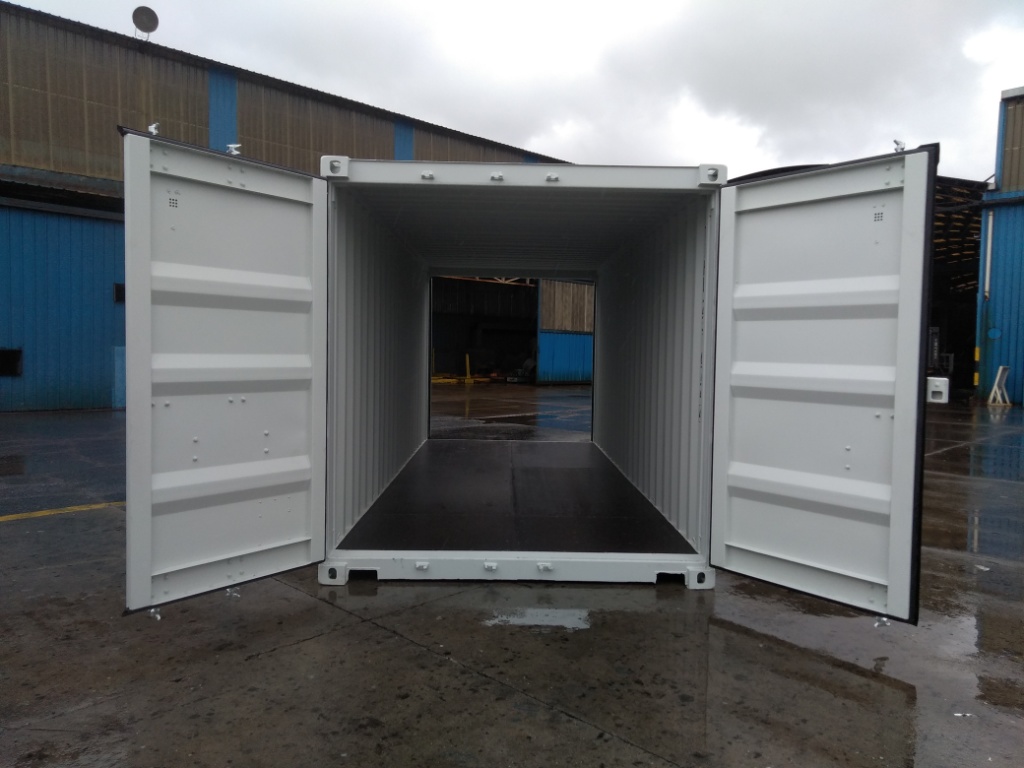
Standard Dry Container
Our standard containers represent the most popular and economical option for businesses and individuals seeking durable storage solutions. These units offer unparalleled versatility, serving countless applications from secure storage to the foundation for creative modification projects.
Built with premium Corten steel and featuring wind and water-tight construction, these containers maintain their structural integrity through extreme weather conditions, making them perfect for both short and long-term applications.
20′ Dry Container Storage with 2 Roller Doors
Use Tradecorp’s 20′ Dry Container Storage with 2 Roller Doors, an innovative storage container with two distinct storage rooms within a single unit, to easily organize and separate items.
Each roller door opens to its dedicated storage area, making it easy to access items without disrupting the other room.
The roller doors are perfect for smooth operation and have secure locks to ensure the safety of your stored goods.
With its durable construction, this container can handle harsh weather conditions, making it suitable for both indoor and outdoor use.
Its compact size also allows it to fit into tight spaces, providing flexibility in placement.
High Cube Container
Tradecorp offers High Cube Storage Units, specialized storage solutions that conventional storage facilities cannot provide.
Available in 10’, 20’, 40’, and 45’ sizes in high cube design, these self-storage units are perfect for helping homes and businesses protect precious belongings and seasonal items.
Since their designs are inspired by standard shipping containers, expect the durability of Corten steel-based construction to protect your belongings and materials.
Standard container features, including insulated walls, castors with twist locks, corner castings, forklift pockets, air vents, and vinyl flooring, are available to maximize the units’ ability to fulfill their tasks.
Conclusion
Residential onsite storage containers can be allowed in many parts of the U.S., but only under conditions (often temporary, regulated). They are rarely allowed as permanent fixtures, and depend on local zoning rules, permits, and sometimes HOA policies.
As an affordable provider of residential onsite storage containers, Tradecorp understands the diverse needs of the market and offers a wide range of container options to meet the demands.
We provide modification and custom shipping container services by adding windows, doors, walls, and roof insulation. Our experienced staff is ready to help you arrange the shipping of your shipping container to your requested location. Fill out our quote form to buy or rent from us!