
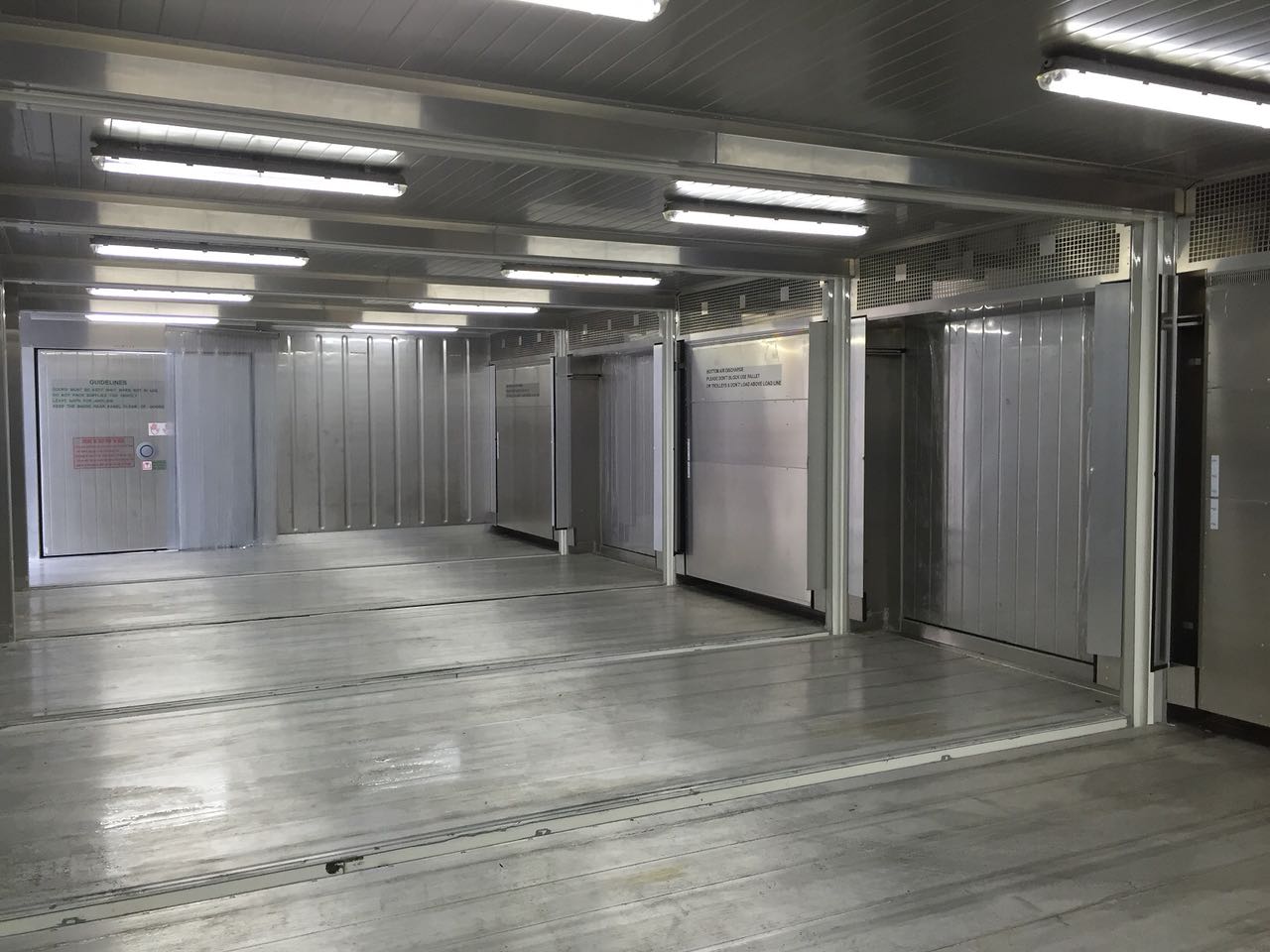
A cold shipping container storage is a portable, temperature-controlled unit used to store and preserve products that require specific temperature and humidity conditions.
Many industries in the US have used cold shipping container storage to prevent bacterial contamination and maintain product quality. This includes pharmaceuticals, food, agriculture, fisheries, etc.
Besides its flexibility and reliability in storing and transporting perishable goods, this unit needs you to pay close attention to run smoothly. Here is the maintenance process for a cold shipping container storage!
Important Points to Note
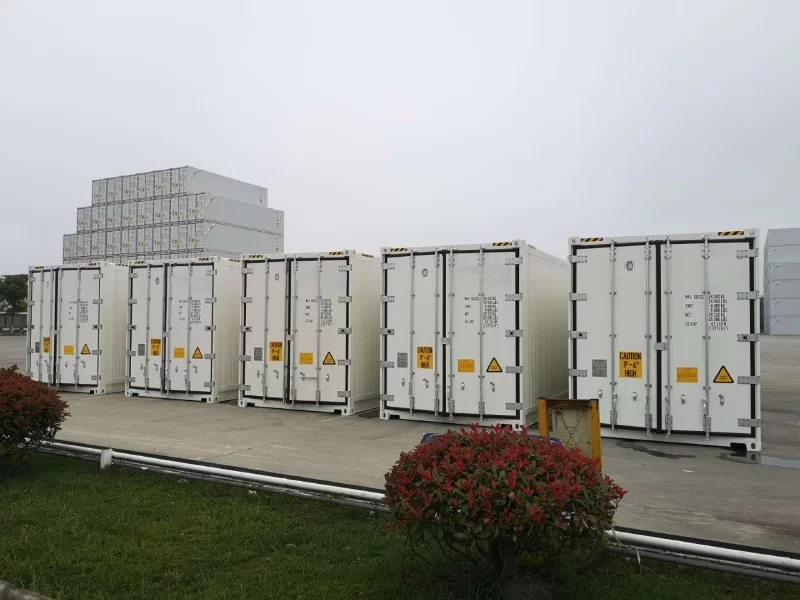
Before discussing maintenance, it’s a good idea to first understand the key points we need to pay attention to in cold storage.
1. The cold storage room is properly controlled
The room needs to be regularly checked to maintain a stable temperature.
2. All cooling equipment is in good condition.
One important thing to ensure is that all equipment is functioning properly. If any equipment malfunctions, it will disrupt the stability of the cold storage.
3. All products are stored properly and safely
Products must be stored in safe conditions to avoid deterioration in quality.
4. All products are stored in quantities appropriate to needs.
The quantity stored in cold storage must be adjusted to meet needs and within the cold storage capacity. This ensures efficient use of the cold storage.
5. All stored products are properly and easily labeled.
Products stored in cold storage should have labels with names or categories. This makes it easier to find the desired product/ingredient.
6. All stored products are protected from damage due to extreme temperatures.
Extreme temperatures often cause product damage or a decrease in quality. This is, of course, related to the temperature stability of the cold storage and the appropriateness of the products that can be stored there.
Cold Storage Maintenance
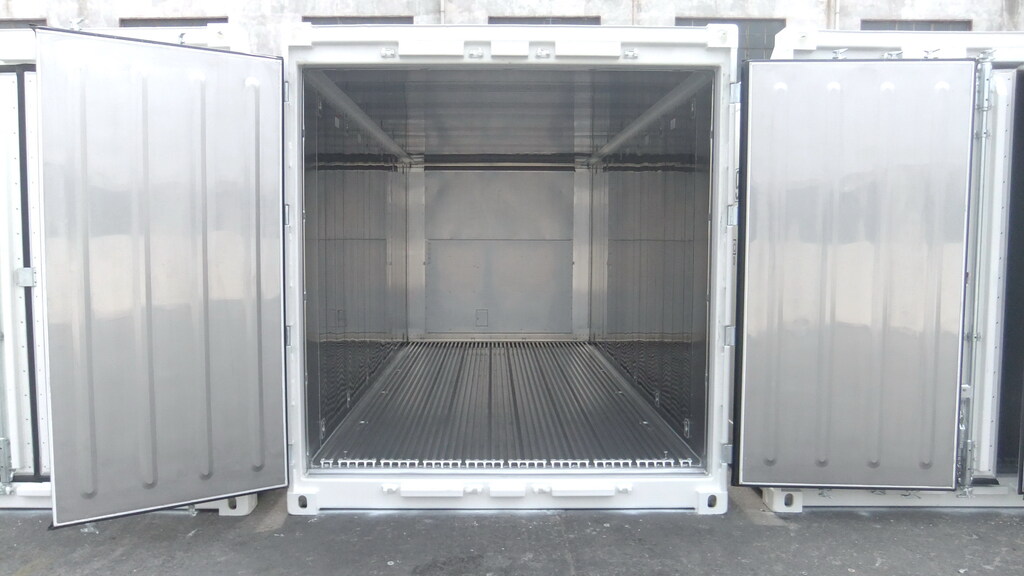
There are several things to consider when maintaining cold shipping container storage. Here’s an explanation:
1. Daily Checks (Operational Level)
Daily cold storage checks are performed on the operational level. This includes checking on the cold storage’s temperature, doors, seals, and power supply.
Ensure that air pollution and pest infestation are not present in the cold storage. Also, conduct strict product inspections during the receiving process.
2. Weekly Maintenance
During weekly maintenance, make sure air circulation vents are not blocked by cleaning the interior surfaces with food-safe disinfectant and leaving air gaps while stacking products inside.
Also, check drain lines for blockages and ensure defrost water flows freely.
3. Monthly Preventive Maintenance
You need to clean the refrigeration’s condenser and evaporator coils during monthly maintenance, along with fans for noise or imbalance inspection and control panel for moisture or corrosion inspection.
4. Quarterly / Periodic Maintenance
The quarterly maintenance requires door & insulation checks by testing the gasket sealing efficiency and inspecting insulation panels for damage or moisture ingress. This also includes structural inspection with checking the container body for corrosion and repairing damaged floor or wall panels immediately.
5. Annual Professional Servicing
The annual professional service is critical for cold shipping container storage. This maintenance needs to be performed by certified refrigeration technicians. Annual maintenance includes:
- Full refrigeration system inspection
- Refrigerant pressure testing
- Compressor performance check
- Calibration of temperature sensors
- Electrical load testing
- Replacement of worn parts
6. Hygiene & Food Safety Practices
If you use cold shipping container storage for food or pharmaceuticals, follow HACCP / GMP guidelines, maintain cleaning & temperature logs, use approved cleaning chemicals only, and avoid cross-contamination.
7. Operational Best Practices
If there are several locations within a warehouse with different temperatures, ensure that products are placed according to their temperature requirements and pre-cool container before loading.
Conclusion
Cold shipping container storage is an advancement in storage and warehousing that can support business needs and distribution processes by extending the shelf life and durability of products.
If the room temperature is unstable, not only will the stored products be damaged, but also the entire refrigeration system within the room.
High-quality Cold Storage container rental and sale are available at Tradecorp. Tradecorp is a reliable container sales, purchase, rental, and modification service company. Tradecorp provides modification and custom container services for your cold storage container rental and sale.
Our experienced staff is ready to help you arrange the shipping of your cold storage to your requested location. Fill out our quote form to buy or rent from us!