

There are several classifications of used conex container conditions: cargo-worthy, wind-and-water-tight, refurbished, and as-is. These classifications mean they have gone through different levels of use, wear, inspection, and repair over time.
The classification helps buyers quickly understand condition, reliability, and suitable use. In this article, we will elaborate on each of the conex classifications that typically cannot be done to help you avoid overestimating their capabilities. To know the complete explanation, read this article fully!
Cargo-Worthy Container
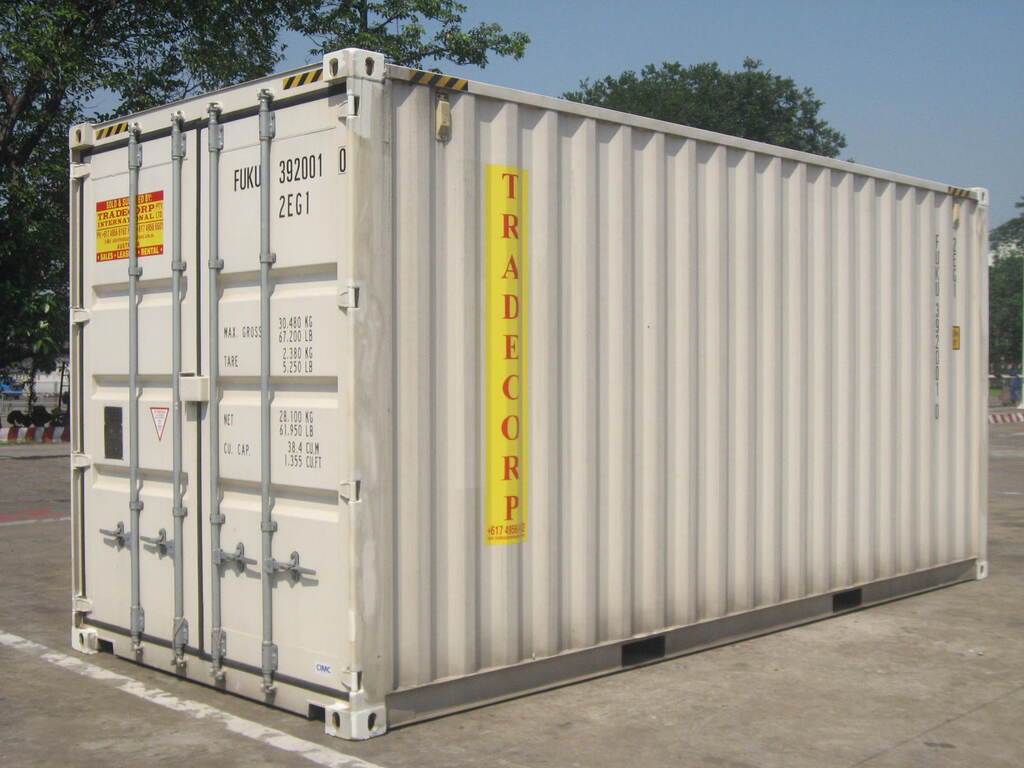
Most of the cargo-worthy containers have been used for about 8-15 years old. At this age, they already have multiple overseas trips and heavy use of freight transport.
Therefore, they are more affordable than the new ones, making them suitable for businesses with limited budgets.
Despite that, their physical condition will remain sturdy and weatherproof, as they are made of corten steel. However, there may be dents, rust, or signs of use that need repair. No major damage to the frame, corner posts, rails, or cross-members.
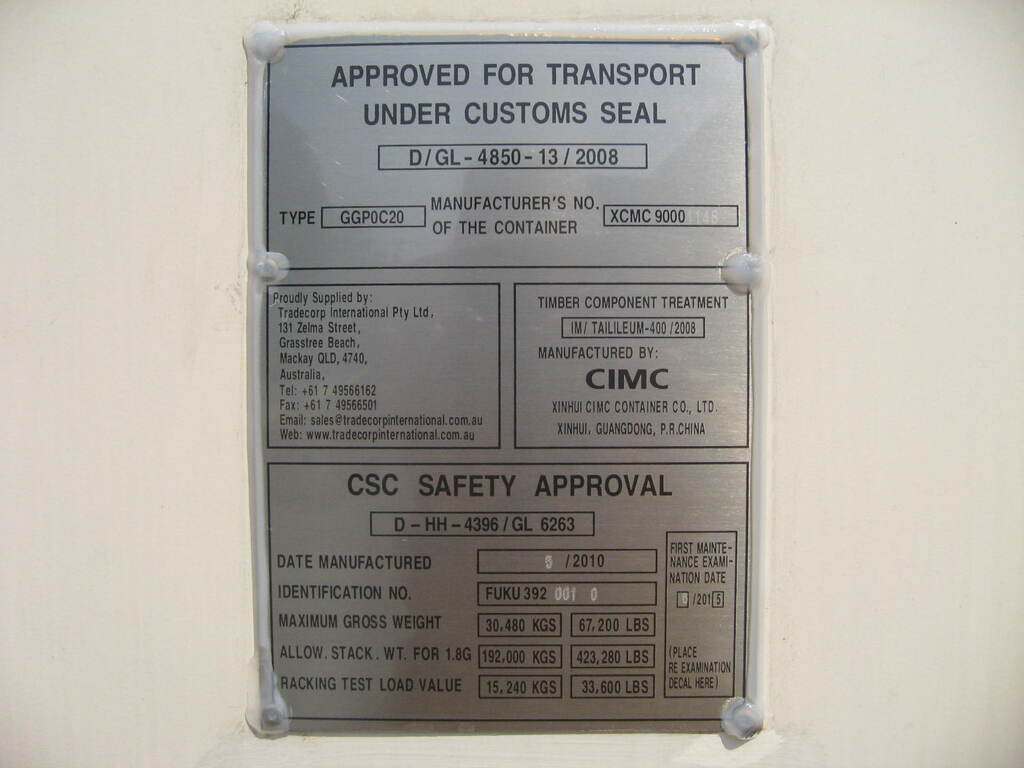
For overseas use, cargo-worthy containers may be issued a valid CSC (Container Safety Convention) plate. Cargo-worthy containers are not perfectly sealed against moisture or dust. Therefore, they are not safe for these applications:
Food-Grade or Sanitary Storage
Cargo-worthy containers may have carried chemicals, oils, and industrial goods. Even if cleaned, residues or vapors can remain and contaminate food. This is enough reason not to use a cargo-worthy conex container for food-grade or sanitary storage.
However, you can make a cargo-worthy container food-safe with modifications like installing food-grade lining, sealing and insulating properly, deep cleaning, and getting a certification.
Storing Sensitive or High-Value Goods
A cargo-worthy conex container is not a good choice for sensitive or high-value goods because it only guarantees basic structural integrity for transport, not protection quality.
A cargo-worthy container is not a sealed environment. Moisture can enter through door seals and tiny gaps, and will cause rust, mold & damage to electronics, paper, or textiles.
Moreover, steel containers heat up and cool down rapidly. Inside temperatures can get extremely hot in the sun and drop sharply at night. This will make the sensitive goods degrade or fail.
Wind and Water Tight
A WWT shipping container is a used shipping container that is no longer certified for international shipping but is still structurally sound and completely sealed against the elements. It is the minimum usable condition, good for storage but not for transport.
It is structurally sound, free from holes or leaks, and capable of keeping out wind, rain, dust, and pests. These containers have also passed a visual inspection but may not be certified for international shipping, making them ideal for food storage. Despite those advantages, a WWT conex container may still have minor leaks under extreme conditions.
Furthermore, not every type of goods can be stored in this container, including perishable food. This is because they do not have insulation or a refrigerator system. You need to avoid using them for perishables, frozen items, and items that are sensitive to heat or humidity unless modified.
These are the things that a WWT container can’t accommodate:
International Shipping With Strict Standards
You can’t use a WWT conex container for international shipping because it doesn’t meet the certification, structural, and inspection requirements that global shipping demands. This is automatically applied for refurbished and as-is containers.
International shipping requires a valid CSC (Container Safety Convention) plate. Meanwhile, WWT conex containers often have expired certification or no certification at all. Without this, ports and shipping lines will reject the container.
Structural or Load-Bearing Construction
Using a WWT conex container for structural or load-bearing construction is a bad idea. A WWT container only guarantees basic weather protection, not structural reliability.
For anything that carries weight, like stacking, buildings, and roofs, that difference is critical. Therefore, it is not reliable for container homes or buildings without engineering checks.
Food, Medical, or Hygienic Storage
WWT only guarantees basic weather resistance. It does not meet cleanliness, safety, or contamination standards required for food, medical, or hygienic storage.
Furthermore, a WWT conex container has an unknown contamination history. It may have carried chemicals, oils, and hazardous materials previously. WWT does not include decontamination, so residues may remain.
Refurbished
A refurbished or repainted shipping container is a used container that has undergone inspection, minor repairs, and cosmetic restoration, often including surface rust removal, patching, and a new paint coat. However, you cannot fully restore the original factory strength.
After being refurbished, this container is fully wind and watertight (WWT), but it may or may not carry a valid CSC plate and is not certified for international shipping. You can use a refurbished or repainted unit for secure storage, workshops, modified structures, or general site use.
This is the occasion that you can’t deal with a refurbished conex container:
Situations Requiring Guaranteed Condition or Compliance
Refurbished doesn’t reliably prove what you think it proves. Therefore, you can’t use refurbished conex when you need guaranteed condition or strict compliance. When refurbishing, one seller may just repaint, and another may patch holes, weld steel, or replace parts.
Repairs may weaken original strength, and the critical areas, like corner posts & frame, may have hidden damage. You can’t rely on it for stacking heavy loads and building structures.
As-Is Containers (Lowest Grade)
An As-Is shipping container refers to a used container sold in its current condition, with no guarantees of structural integrity or weatherproofing. The unit may have structural issues such as holes, broken doors, or significant rust.
These cheap shipping containers are often the lowest-cost option, typically retired from active service due to age, damage, or failure to meet cargo-worthy or watertight standards.
This type of container is usually used for non-structural projects, scrap metal, or parts recovery, as it may not be structurally safe. On the other hand, it is not suitable for shipping, watertight storage, and load-bearing construction without repair.
Before buying an as-is container, you need to inspect the roof, corners, and doors for severe rust or twisting. Then, plan for repairs if you intend to restore or repurpose the unit. These are the occasions that you can’t deal with an as-is conex container:
Aesthetic or Customer-Facing Use
Using an as-is used conex container for aesthetic or customer-facing purposes, like a café, shop, or office, is a bad idea. It creates serious perception and practical problems due to its visible dents, rust patches, and mismatched paint.
If you still use it, people may worry about safety, cleanliness, and structural reliability. Even if it’s usable, it doesn’t feel safe to customers.
Structural Applications (Stacking / Heavy Builds)
Containers rely on a rigid steel frame. The As-is conex units often have bent frames, warped walls, and impact damage. Even a small deformation can reduce load capacity significantly. Therefore, multi level stacking is not guaranteed.
For structural applications, using an as-is used conex container is risky and unsafe because you don’t actually know if it can still handle structural loads.
The corner posts of a conex container are the critical load points. All stacking weight transfers through the 4 corner posts. If they are damaged or corroded, the entire structure becomes unsafe for stacking.
Types of Shipping Container Units

Standard Dry Conex
These are the most common types of shipping containers, which come in sizes of 6’, 8’, 10’, 20’, and 40’ (high cube). They are used for shipping dry goods such as clothing, electronics, and groceries that don’t contain liquids, among other items.
High Cube Conex
Thanks to their added headspace, high cube containers are a reliable container solution from Tradecorp for every business dealing with problems with cargo loading and transit.
While standard-size shipping containers are sufficient for most situations, there are moments when users need larger containers to load more cargo during transit. This is where high cube containers come up.
With an interior height of approximately 9 feet 6 inches, high cube containers offer increased storage capacity compared to standard containers. This added height makes them suitable for storing tall equipment, stacking goods efficiently, or transporting items that require more headroom.
Open-Top Conex
The open-tops are used to transport over-height products and have a removable top. The open top design enables easy loading and unloading of oversized cargo such as timber and scrap metal.
Open-Side Conex
Also known as side-door containers, which open up from the sides instead of the ends. The side doors make it convenient to load typical heavy, large items, such as cars, machinery, kitchen equipment, and more.
Double Door conex
These containers have doors on both ends. These containers are perfect for loading or unloading large or heavy machinery from either end. Pallets of bricks, long vehicles, and construction equipment are a few of the items that can be loaded onto double-door containers.
DNV Conex
Offshore DNV Containers: A DNV shipping container is a certified container made for the oil and gas industry. They are fully compliant with DNV 2.7-1 and EN 12071-1 and undergo thorough certification procedures to ensure their safety and resistance.
Conclusion
Regardless of condition, used conex containers generally can’t guarantee no prior chemical exposure and may not stay rust-free without maintenance.
Buy any condition of used conex from Tradecorp. Tradecorp is a reliable provider of cheap used conex sales, purchase, rental, and modification services. Tradecorp provides modification and custom shipping container services by adding windows, doors, walls, and roof insulation.
Our experienced staff is ready to help you arrange the shipping of your container to your requested location. Fill out our quote form to buy or rent from us!