

Doing container house plans is an exciting thing. A house plan can help you visualize how a comfortable home can be built using shipping containers.
During the process, it is just as important to decide what not to include as what to include. Certain design choices can cause structural problems, unnecessary costs, or poor living conditions.
To know several key things to exclude from your container house plans, read in this article!
Contents
What to Exclude

1. Excessive Wall Cutouts
You should avoid excessive wall cutouts in a container house. Shipping containers are structurally strong because of their corrugated steel walls. Therefore, cutting too many large openings weakens the structure.
A container’s corrugated steel walls help support the load of the container. The corrugated shape of container walls acts like a reinforcement system. If too many sections are removed, the container may twist or flex.
Even further, the structure may require expensive steel reinforcement. This can significantly increase the overall building cost, sometimes making the container advantage disappear.
2. Complex Structural Modifications
Avoiding complex structural modifications is important when planning a container house because shipping containers are engineered with a specific structural system.
When designs become too complicated, the container structure can weaken. This will increase costs and create construction challenges. Shipping containers are engineered with a specific structural system; most of the load is carried by the corner posts and edge rails.
If you introduce complex modifications such as large cantilevered sections, unusual stacking arrangements, and cutting multiple sides of the container, the original load path is disrupted. This may cause structural instability unless heavy reinforcements are added.
3. Poor Insulation Planning
Steel containers conduct heat very quickly. If insulation isn’t planned properly, the home becomes extremely hot or cold. For this matter, you need to exclude bare metal interior walls and thin insulation.
4. Low Ceiling Expectations
Low ceilings can make a home feel cramped, dark, and less comfortable for tall occupants. Most standard shipping containers are about 8.6’ tall externally. After adding insulation, flooring, and ceiling finishes, the interior height can drop to around 7’ or less. Therefore, you should avoid low ceiling expectations when planning a container house.
If the design assumes a low ceiling, the space can feel tight and restrictive. Furthermore, during construction, several layers that can reduce the available headroom are usually added. This includes floor insulation, ceiling insulation, lighting systems, and drywall or panel finishes.
5. Heavy Traditional Roofing Systems
You should avoid heavy traditional roofing systems when planning a container house because shipping containers are not designed to support very heavy loads across their roof panels. Heavy roofs can create structural and safety problems.
The roof of a shipping container is made from thin steel sheets, which are mainly designed to keep cargo dry, not to support heavy building materials. If heavy roofing materials such as concrete slabs, clay roof tiles, thick masonry layers are added directly on top, the roof may collapse.
6. Ignoring Moisture & Condensation Control
Steel changes temperature quickly. When the inside of the container is warm and the outside is cool, water vapor in the air condenses on the metal walls. This can lead to water droplets forming inside the walls, damp interior surfaces, and constant moisture buildup.
If moisture accumulates inside the container walls or insulation, it creates the perfect environment for mold and mildew, which will lead to unpleasant odors, health issues for occupants, and damage to interior materials such as drywall and wood.
7. Overly Narrow Interior Layouts
A standard container is only about 8’ wide, which can feel cramped. Therefore, you need to avoid overly narrow interior layouts when planning a container house. Poor layout planning can make the living space uncomfortable and impractical.
After adding insulation and interior walls, the usable interior width becomes even smaller. Overly narrow layouts can make it difficult to move around inside the house. This may cause cramped walkways, blocked pathways, and difficulty placing furniture properly.
The Sign of Decent Container House Plans

1. Strong Structural Design
A good container house plan respects the container’s steel structure, as they are designed to carry loads mainly at its corner posts. Therefore, you should have minimal unnecessary wall removal, reinforced openings for doors or windows, and proper load distribution when stacking containers.
2. Proper Insulation and Climate Control
Steel containers heat up and cool down quickly, so insulation is critical. To keep your container house comfortable in both hot and cold climates, include wall & roof insulation, vapor barriers to prevent condensation, and cross ventilation & airflow design.
3. Efficient Use of Limited Space
Since a typical container is about 8’ wide, space planning is essential. Good layouts often include open-plan living areas, built-in storage solutions, and multi-purpose furniture spaces.
4. Smart Window and Door Placement
Natural lighting makes container homes feel larger and more comfortable. Therefore, you need to place windows strategically and make large openings on one side rather than many small cuts, considering the orientation of natural light and airflow.
5. Moisture and Rust Protection
Steel containers can develop rust and condensation problems if not treated properly. Decent plans include nti-rust coatings, drainage overhangs, and ventilated wall systems.
6. Solid Foundation Planning
Even though containers are strong, they still require proper foundations. Common foundations for shipping container houses include concrete piers, strip footing, and slab foundations. These keep the container level and prevent shifting.
7. Compliance With Local Building Codes
A decent plan considers local regulations and safety standards. This may include structural engineering approval, electrical & plumbing layout, and fire safety & emergency exits.
Container Suggestion for Your Home
Standad Container
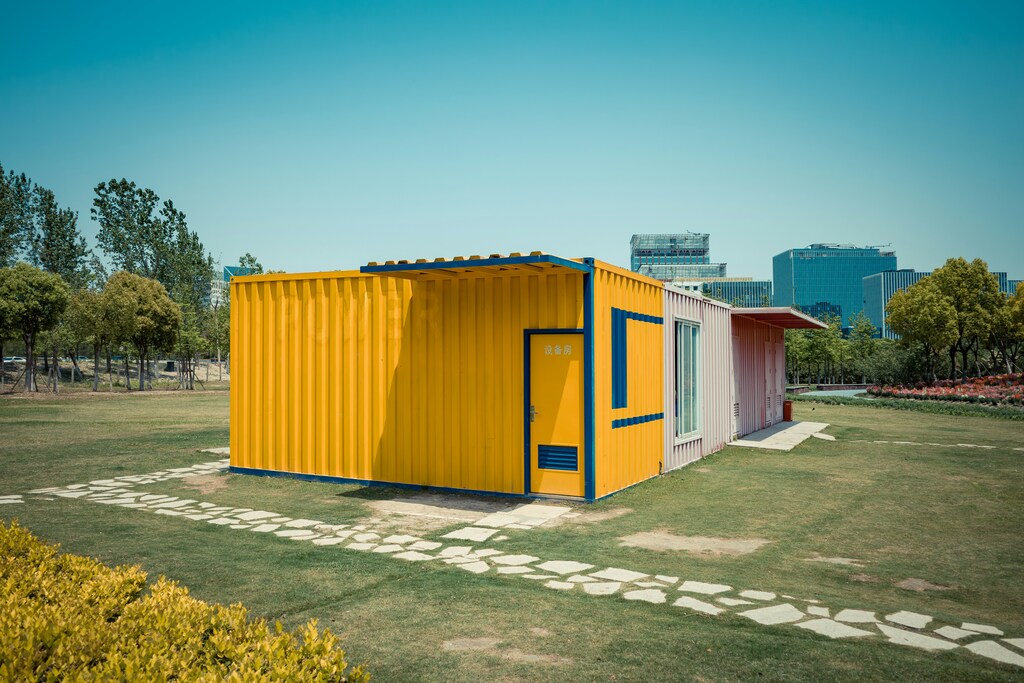
One of the most compatible container types you can convert into an ideal home is the dry shipping container, often referred to as a standard container. The dry containers have a sturdy roof, corrugated walls, solid wood floors, and heavy-duty cargo doors, making them weather-resistant.
With several pieces of equipment, like extra vents, windows, doors, and air conditioners, the dry container is perfect for your gym
Other than that, this 20’ DC also has forklift pockets. With this feature, a forklift can easily move the container. Other than a home, this container type is also used in many conversion projects, such as gyms, offices, storage, and living rooms.
High Cube Container
While standard-size shipping containers are sufficient for most situations, there are moments when you need a higher ceiling for your home. This is where high cube containers come up, designed specifically to have some extra headspace.
The extra 1’ of headroom makes a huge difference when designing livable interiors. More vertical space prevents the interior from feeling cramped. Moreover, you can insulate walls and ceilings without sacrificing as much headroom, making it easier to meet energy efficiency requirements.
Tunnel Container
A tunnel container or a double-door container has cargo doors on both ends instead of just one. Both of their ends can open fully, allowing excellent ventilation and light during construction or as part of the design.
This type of container is great if you want open-plan designs with front and back patio doors, ideal for hallway-style layouts or through-living spaces (living room + kitchen + dining room).
You can also use one end’s doors as an entry, and the other as a large glass wall or secondary exit.
Conclusion
Well-designed shipping container house plans should balance safety, comfort, efficiency, and cost. Below are the main signs of a decent container house plan that architects and builders usually look for.
Not just aesthetics, A good container house plan focuses on structural safety, efficient space use, proper insulation, and durability.
Standing at the top of the industry, Tradecorp is widely known for its high-quality containers open for so many creative applications. Fill out our quote form, and we’ll guide you in finding the best container for your business goals!