

Key Takeaways
- Shipping Containers with roll-up doors are modified storage containers where one or more of the original solid steel swing doors or sections of the container walls are replaced to install roll-up doors. These doors roll up into a coil above the opening, rather than swinging open like traditional container doors, for easier and quicker access to the interior.
- Shipping containers with roll up doors are usually used as business or personal storage for their easy access and flexibility. If you want to start a business, you can use the shipping containers with roll-up doors to store your product, as it can be a practical and economical solution.
- Using shipping containers with roll-up doors for storage will give you convenient access, space efficiency, customizable layouts, and flexibility with low initial investment.
- The doors allow easy access into the container, especially if the stored goods are large or require frequent loading and unloading. In addition, roll-up doors also simplify the process of storing and retrieving goods, and can be used as a secondary entry point.
- If you are looking for shipping containers with roll-up doors, Tradecorp will give you the best. Standing at the top of the industry, Tradecorp is widely known for its high-quality containers open to so many creative applications. Tradecorp has several types of shipping containers with roll up doors, such as 20’ Ryno Locker with a Roll Up Door Container, 20′ Dry Container Storage with 2 Roller Doors, 20′ Storage Container with 2 x Roll-Up Doors, 10’ Ryno Locker with Roll Up Door, and 40’ Reefer High Cube with Roller Door Container.
Owning onsite storage has become a basic need for an entrepreneur. It is where a secure steel container is placed directly at a construction site, business premises, school, warehouse yard, or residential property.
Instead of moving items to an off-site warehouse or storage facility, Onsite storage will be kept on your own site for easy access.
Read this article to the end to learn 101 things to know before owning an onsite storage unit and avoid costly mistakes.
101 Things to Know When Owning an Onsite Storage
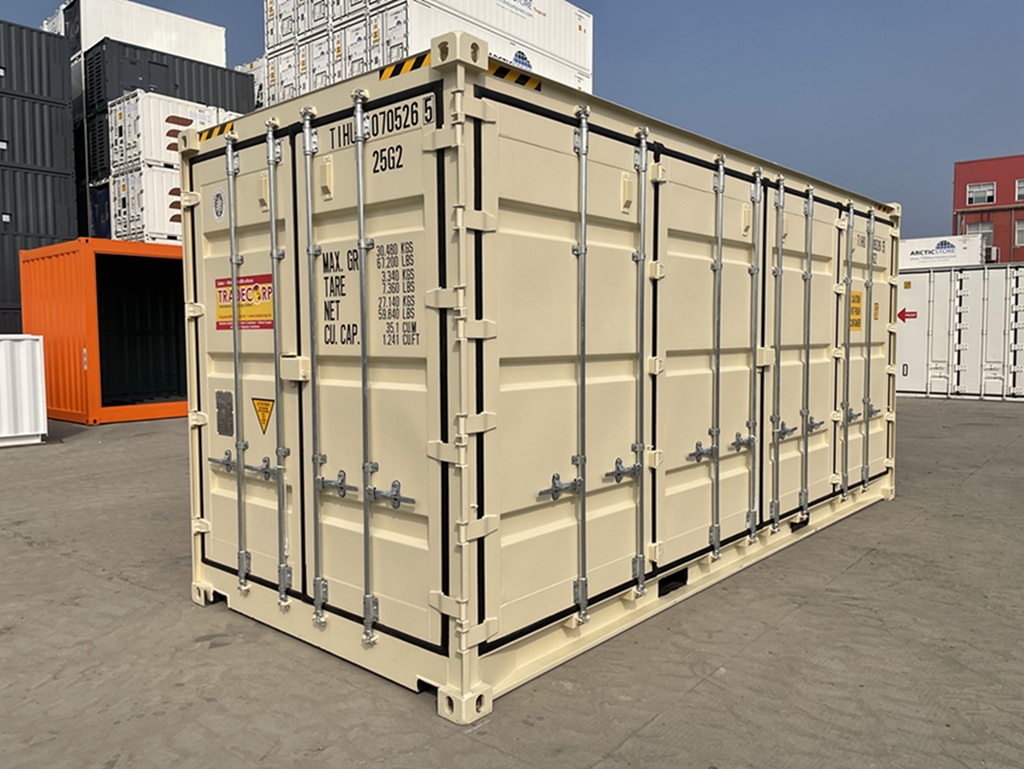
Before owning an onsite storage, follow these tips!
Basics & Planning
- Know exactly what you are storing, whether it is personal items, business inventory, equipment, or vehicles.
- Calculate your space needs by measuring your items before choosing a unit size. Most people underestimate by 20–30%.
- Understand onsite vs offsite storage. On-site means a structure on your own property — not a commercial facility.
- Check your local zoning laws, as many residential zones restrict the size, type, and placement of outbuildings.
- Get a site survey first by knowing where your property lines, easements, and utilities are located before placing anything.
- Understand setback requirements, which govern how far a structure must be set back from property lines, roads, or fences.
- Determine if you need a building permit, as structures over a certain square footage often require a permit even on private land.
- Plan for future needs, not just current ones. For example, buying bigger now is almost always cheaper than adding capacity later.
- Research HOA restrictions and find out whether the homeowners’ associations ban certain structures, colors, or placements entirely.
- Budget for more than the unit cost. Also include delivery, foundation, permits, shelving, and electrical, which can easily double the base price.
Types & Structures
- Know the difference between a shed, barn, and container. Each of them has different costs, lifespans, insulation, and permitting implications.
- Understand portable vs permanent structures. Portable units may avoid permitting but can have HOA or lending complications.
- Choose between wood-framed sheds and metal sheds. Wood is easier to customize; metal is lower maintenance but can rust or dent.
- Understand roof styles and drainage. Choose among gable, lean-to, and gambrel roofs, as each affects drainage, headroom, and aesthetics.
- Choose between dirt, gravel, wood, and concrete floor options. The right floor depends on what you are storing and how long the structure will last.
- Consider a drive-through design for large items by installing doors on both ends, which makes it much easier to access vehicles and long equipment.
- Evaluate ventilation needs for your storage type
- Install proper airflow if you are going to store chemicals, gasoline, and organic materials.
- Used containers can save money. However, you need to inspect them carefully and regularly, as they are not as strong as the new ones.
- Steel storage offers better security, but modular systems are easier to expand.
Site & Installation
- Choose a level site or plan for grading. Unlevel ground causes door misalignment, structural stress, and water intrusion.
- Test the soil before placing heavy structures. Soft or clay-heavy soil may require a more substantial foundation.
- Plan drainage away from the structure, as water pooling around any structure will accelerate rot and foundation issues.
- Foundations in cold climates must reach below the frost line to avoid heaving. Therefore, you need to know your frost line depth.
- Confirm delivery access for large units, as overhead lines, trees, and gates can block delivery trucks entirely.
- Consider sun orientation for temperature control by placing north-facing doors and shading to reduce heat buildup inside.
- Clear trees and roots before installation. Roots can shift foundations; overhanging branches drop debris and retain moisture.
- Know the difference between a pad foundation and piers. Pads suit most sheds; piers are used for uneven terrain or softer soils.
- Anchor the structure for wind resistance, especially in coastal or high-wind areas.
- Plan your path to the storage unit. A gravel or paved path prevents mud, grass wear, and debris from being tracked inside.

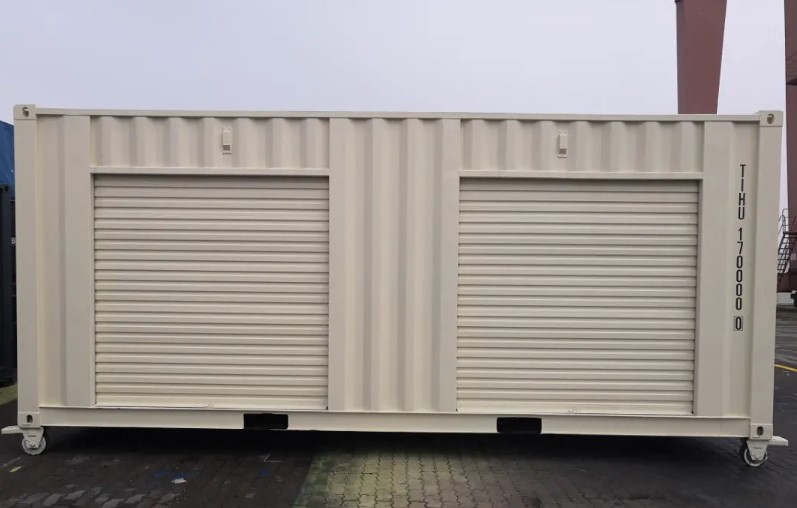
20′ Dry Container Storage with 2 Roller Doors
Security & Access
- The combination of hasps, shrouded padlocks, and deadbolts significantly increases break-in resistance.
- Consider a smart lock or keypad entry for sharing access with family or service personnel without sharing keys.
- Install motion-activated lighting, a simple deterrent that also makes nighttime access safer.
- Think about camera placement. For example, cover the door approach and ideally have a camera visible as a deterrent.
- Know your insurance coverage for contents. Homeowner policies often have low sublimits for outbuildings and their contents.
- For high-value tools, equipment, or collectibles, you may need a standalone storage contents policy or separate rider.
- Secure the structure itself to prevent theft with concrete anchors.
- Keep an itemized inventory with photos and store the list offsite or in the cloud. This is critical for insurance claims. Store the list offsite or in the cloud.
- Consider a security alarm system. Door and window sensors connected to your home system or a standalone siren.
- Know who has access and when by limiting access to trusted individuals and changing combinations if anyone leaves.
Utilities & Power
- Decide early if you need electricity. Running power to an outbuilding later is far more expensive than planning for it up front.
- Understand electrical permit requirements. Any wiring work typically requires a licensed electrician and an electrical permit.
- Plan for adequate lighting inside the unit, as even simple battery-operated or solar-powered LED fixtures can make a huge difference.
- Consider a solar panel setup for remote storage on your property to avoid the cost of trenching power lines.
- Know the risks of extension cords (fire hazard and not code-compliant for permanent use) as permanent wiring.
- Think about water access for certain uses, such as workshops and garden sheds.
- Plan HVAC if climate control for temperature-sensitive items like wine, electronics, and wood furniture needs stable conditions.
- Know the difference between conditioned and unconditioned storage. Unconditioned spaces experience the full range of seasonal temperatures and humidity.
- Install a GFCI outlet if near moisture.
- Consider a sub-panel for high power use, such as workshops with power tools, welders, or compressors, which often need 240V circuits.
Maintenance & Longevity
- Treat wood before and after installation to prevent rot.
- Inspect and re-seal the roof every few years. Roof penetrations and seams are the most common source of leaks.
- Clear gutters and roof debris regularly. They can trap moisture and accelerate the deterioration of the roof surface.
- Check door hinges and hardware annually
- Watch for pest entry points. Rodents need only a small gap.
- Inspect the floor for soft spots, as they indicate moisture intrusion or rot underneath.
- Repaint or re-stain every 5-7 years for wood units to double the lifespan of a wooden structure.
- Treat rust on metal units promptly. Surface rust on steel structures, if caught early, can be stopped with primer and paint.
- Keep vegetation away from the structure walls, as plants trap moisture against the siding and provide pathways for pests.
- Revisit your maintenance schedule seasonally. Spring and autumn inspections catch winter damage and prepare for summer heat.

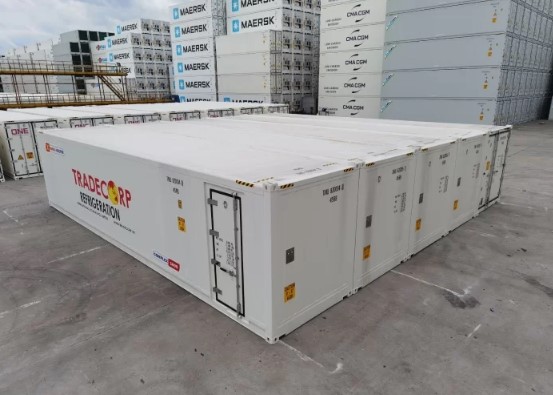
40′ High Cube Cold Storage Complex
Organization & Use
- Install shelving before moving items in. This is because it is much easier to install shelving in an empty unit.
- Use vertical space aggressively. Wall-mounted shelving, ceiling hooks, and overhead racks maximize usable space.
- Label everything, including the outside of boxes. Labels on the side of boxes, not the top, are visible when stacked.
- Store rarely used items in the back. Frequency of access should determine placement from front to back.
- Keep a 24-inch aisle for access. A clear walking path prevents having to unpack half the unit to reach one item.
- Use uniform bin sizes for stackability, as mixed container sizes waste space and make stacking unstable.
- Elevate items off the floor on pallets or shelving to prevent damage from minor moisture events.
- Avoid storing flammable items near electrical sources.
- Know what should NOT be stored in a standard shed, as some things require a specific kind of storage.
- Create a simple map or inventory list of contents.
Legal & Financial
- Understand how the structure affects your property taxes. Permanent structures increase your assessed property value and tax bill.
- Check deed restrictions and covenants. Older properties may have deed restrictions that limit outbuildings even without HOAs.
- Know if a structure affects your property resale. Permitted structures can add value; unpermitted structures can complicate sales.
- Get a written contract that includes specifying materials, dimensions, foundation type, and warranty terms with your installer.
- Understand what the warranty covers.
- Check if your lender has outbuilding restrictions, as some mortgage agreements or HOA rules restrict what can be added to the property.
- Know the difference between accessory dwelling unit (ADU) rules and storage
- Understand depreciation if used for business
- Keep all permits and inspection records. They are essential for resale and insurance claims.
- Know your rights if a neighbor disputes placement. Survey documents and permit approvals are your strongest protection in disputes.

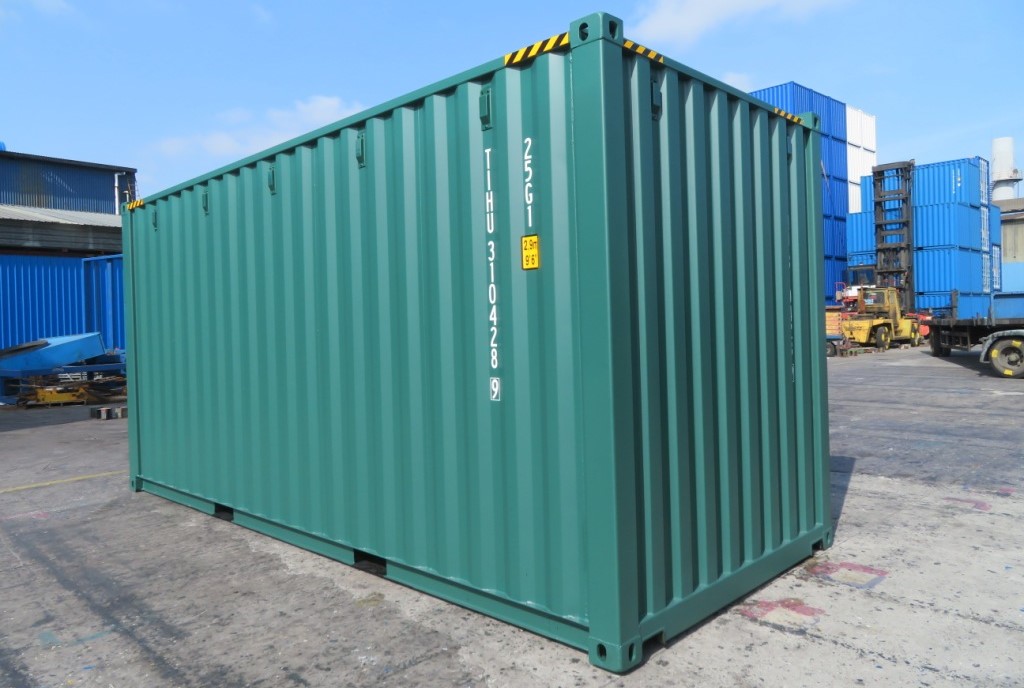
High Cube Onsite Storage
Climate & Environment
- Consider your climate when choosing materials. Wood sheds in humid climates need more maintenance than in dry ones. Meanwhile, metal sheds can cook in direct sunlight.
- Understand humidity damage to stored items. Humidity above 60% promotes mold, rust, and wood warping inside storage. Use a dehumidifier or desiccant packs for sensitive items.
- Electronics, leather, photos, and musical instruments are all vulnerable to moisture.
- Insulate if storing temperature-sensitive items to keep the shed within a safer temperature range.
- Account for snow load on the roof. Flat or low-pitch roofs in snowy climates need to be rated for accumulated snow weight.
- Understand UV degradation of materials
- Flood zones affect where and how you can place structures and what insurance you need. Therefore, you need to know your flood zone designation.
- In wildfire-prone areas, keep combustible materials and vegetation away from storage.
- Ridge vents, gable vents, and even a small fan can prevent dangerous heat buildup.
- Repeated freezing and thawing can shift concrete pads and crack foundations over the years.
Advanced Considerations
- A well-built, permitted outbuilding is a selling point; a poorly placed one can be a liability.
- A workshop that doubles as storage, or a barn with a loft office, adds functional value.
- Running an empty conduit during construction costs little and makes future wiring much easier.
- Know the difference between tempered and standard glass. Windows in outbuildings near walkways or work areas should use tempered glass for safety.
- Understand the value of a site-built vs. a kit shed. Custom-built structures offer a better fit and quality; kits are faster and cheaper.
- Consider steel stud vs wood framing for longevity. Steel framing resists pests, rot, and fire better than wood but costs more upfront.
- Removal, disposal fees, and sometimes hazardous material handling apply to old structures.
- A fence or landscaping buffer can prevent disputes over sightlines and light blocking.
- Carbon monoxide buildup from engines and generators is a serious safety hazard. Therefore, you need to understand how to properly vent a gas-powered equipment shed.
- Review everything with a professional before breaking ground
- Storage needs evolve. What works for your current life stage may not suit future needs. Build with adaptability in mind.
Conclusion
Those are the 101 things to know before owning an onsite storage across 10 categories. Now, you acknowledge them from the basics and site planning all the way through legal, climate, and advanced considerations.
We provide onsite container storage in any conditions, as we understand the diverse needs of the market and offer a wide range of container options to meet these demands.
We provide modification and custom shipping container services by adding windows, doors, walls, and roof insulation. Our experienced staff is ready to assist you in arranging the shipping of your container to your requested location. Fill out our quote form to buy!
FAQ
- What are shipping containers with roll up doors?
Shipping Containers with roll-up doors are modified storage containers where one or more of the original solid steel swing doors or sections of the container walls are replaced to install roll-up doors. These doors roll up into a coil above the opening, rather than swinging open like traditional container doors for easier and quicker access to the interior. - What are the shipping containers with roll up doors used for?
Shipping containers with roll up doors are usually used as business or personal storage for their easy access and flexibility. If you want to start a business, you can use the shipping containers with roll-up doors to store your product, as it can be a practical and economical solution. - What are the advantages of using shipping containers with roll up doors?
Using shipping containers with roll-up doors for storage will give you convenient access, space efficiency, customizable layouts, and flexibility with low initial investment. - How can shipping containers with roll-up doors give me convenient access?
The doors allow easy access into the container, especially if the stored goods are large or require frequent loading and unloading. In addition, roll-up doors also simplify the process of storing and retrieving goods, and can be used as a secondary entry point. - Where can I get shipping containers with roll-up doors?
If you are looking for shipping containers with roll-up doors, Tradecorp will give you the best. Standing at the top of the industry, Tradecorp is widely known for its high-quality containers open to so many creative applications. Tradecorp has several types of shipping containers with roll up doors, such as 20’ Ryno Locker with a Roll Up Door Container, 20′ Dry Container Storage with 2 Roller Doors, 20′ Storage Container with 2 x Roll-Up Doors, 10’ Ryno Locker with Roll Up Door, and 40’ Reefer High Cube with Roller Door Container.