
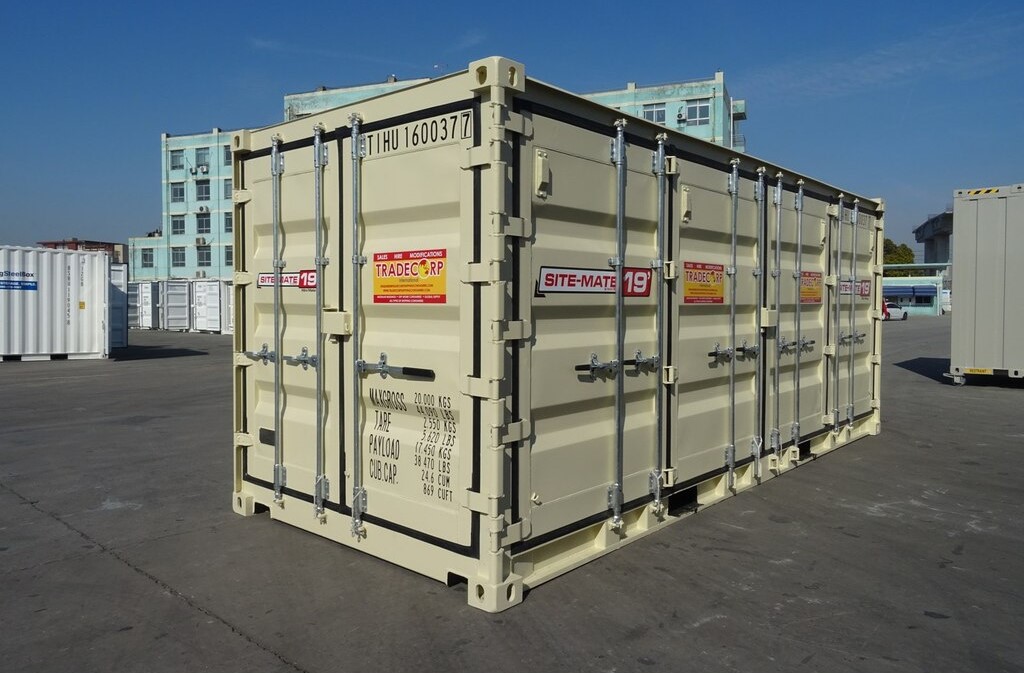
Container conditions are varied, from high-priced to cheap shipping containers. Shipping containers are often categorized by condition, such as new and used ones.
High-priced containers are stronger, tighter, and more reliable. This is especially important if you are storing valuable items or building something like an office or living space. Cheap containers can be fine for basic storage if you accept some flaws and are okay with doing repairs.
To learn the details of high-priced to cheap sipping containers, read this article until the end!
High-Priced to Cheap Shipping Container Conditions
One-Trip Shipping Container
One-Trip shipping Containers are containers that have been used only once to transport cargo. This is also called a new container, as they have no differences. A one-trip container is a new container that has only been used once, usually from the manufacturing factory, often in China, to its destination country.
After that single journey, it’s sold as “new” or “like-new” in the local market.
This is the perfect container condition if you are looking for a container that looks and feels nearly new.
Cargo-Worthy Container Characteristics
Most of the cargo-worthy containers have been used for about 8-15 years old. At this age, they already have multiple overseas trips, heavy use of freight transport.
Therefore, they are more affordable than the new ones, making them suitable for businesses with limited budgets.
Despite that, their physical condition will remain sturdy and weatherproof, as they are made of corten steel. However, there may be dents, rust, or signs of use that need repair. No major damage to the frame, corner posts, rails, or cross-members.
For overseas use, cargo-worthy containers may be issued a valid CSC (Container Safety Convention) plate.
Wind and Water Tight
A WWT shipping container is a used shipping container that is no longer certified for international shipping but is still structurally sound and completely sealed against the elements.
It is structurally sound, free from holes or leaks, and capable of keeping out wind, rain, dust, and pests. These containers have also passed a visual inspection but may not be certified for international shipping, making them ideal for food storage.
However, not every type of goods can be stored in this container, including perishable food. This is because they do not have insulation or a refrigerator system. You need to avoid using them for perishables, frozen items, and items that are sensitive to heat or humidity unless modified.
Refurbished / Repainted
A refurbished or repainted shipping container is a used container that has undergone inspection, minor repairs, and cosmetic restoration, often including surface rust removal, patching, and a new paint coat.
These units strike a balance between affordability and good appearance/structural integrity, making them ideal for storage, on-site offices, or conversion projects.
This container is fully wind and watertight (WWT), but it may or may not carry a valid CSC plate. You can use a refurbished or repainted unit for secure storage, workshops, modified structures, or general site use. However, it can not be used for overseas shipping unless it has a valid CSC plate.
As-Is
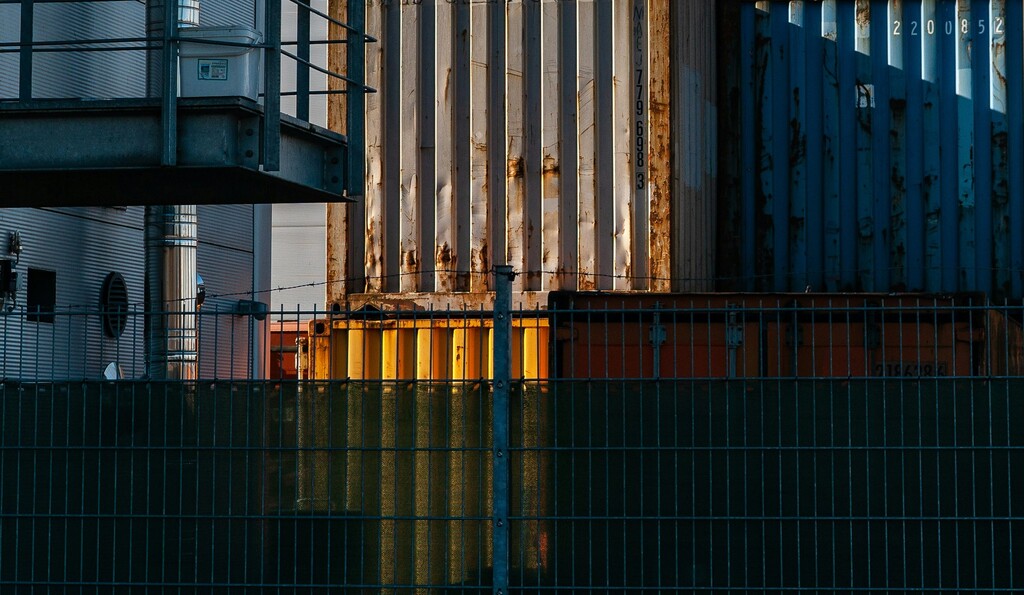
An As-Is shipping container refers to a used container sold in its current condition, with no guarantees of structural integrity or weatherproofing. The unit may have structural issues such as holes, broken doors, or significant rust.
These cheap shipping containers are often the lowest-cost option, typically retired from active service due to age, damage, or failure to meet cargo-worthy or watertight standards.
This type of container is usually used for non-structural projects, scrap metal, parts recovery, or creative repurposing. On the other hand, it is not suitable for shipping, watertight storage, and load-bearing construction without repair.
Before buying an as-is container, you need to inspect the roof, corners, and doors for severe rust or twisting. Then, plan for repairs if you intend to restore or repurpose the unit.
Types of Shipping Container Unit
Standard Dry Containers
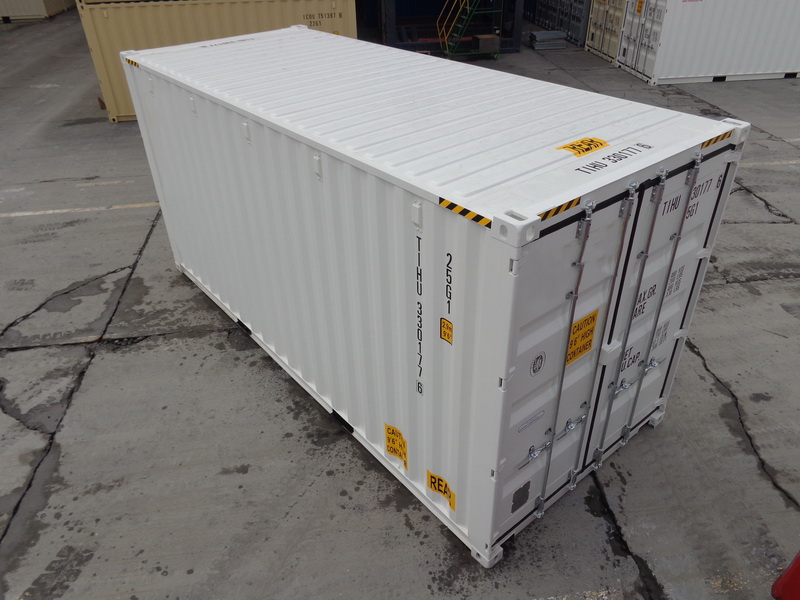
These are the most common types of shipping containers, which come in sizes of 6’, 8’, 10’ 20’, and 40’ (high cube). They are used for shipping dry goods such as clothing, electronics, and groceries that don’t contain liquids, among other items.
High Cube Container
Thanks to their added headspace, high cube containers are a reliable container solution from Tradecorp for every business dealing with problems with cargo loading and transit.
While standard-size shipping containers are sufficient for most situations, there are moments when users need larger containers to load more cargo during transit. This is where high cube containers come up.
With an interior height of approximately 9 feet 6 inches, high cube containers offer increased storage capacity compared to standard containers. This added height makes them suitable for storing tall equipment, stacking goods efficiently, or transporting items that require more headroom.
Flat Rack Containers
Flat Rack Containers: Used for transporting large or oversized items. They typically have collapsible or non-collapsible side walls, which make them easier to load into the container. Typical items that are transported using flat racks are heavy industry components, large machinery, or piping.
Open-Top Containers
The open-tops are used to transport over-height products and have a removable top. The open top design enables easy loading and unloading of oversized cargo such as timber and scrap metal.
Open-Side Storage Containers
Also known as side-door containers, which open up from the sides instead of the ends. The side doors make it convenient to load typical heavy, large items, such as cars, machinery, kitchen equipment, and more.
Double Door Containers
These containers are provided with doors on both ends of the container. These containers are perfect for loading large or heavy machinery that needs to be loaded or unloaded from either end. Pallets of bricks, long vehicles, and construction equipment are a few of the items that can be loaded onto double-door containers.
Insulated/Thermal Containers
Insulated containers have a controlled temperature system that enables them to keep things warmer by maintaining a higher temperature. Insulated or thermal containers are ideal for carrying temperature-sensitive products such as foods, pharmaceuticals, and chemicals.
Reefer Containers
These preserve perishable goods over long distances, like fruits, seafood, and medicines. Refrigerated containers have a built-in refrigeration system that could maintain low temperatures and are typically closely monitored during shipment.

Bulker Containers
Transporting bulk goods like grains and other loose bulk commodities becomes efficient with bulk containers. Tradecorp’s bulk containers have few circular roofs to allow loading loose bulk from atop.
Tank Containers
Transporting liquid materials is normally carried out using tank containers. They are typically built from sturdy steel and anti-corrosive materials to protect the liquid contained from being spoiled or contaminated. Food-grade liquids, non-hazardous, and hazardous liquids are the majority types of materials transported by tank containers.
DNV Containers
Offshore DNV Containers: A DNV shipping container is a certified container made for the oil and gas industry. They are fully compliant with DNV 2.7-1 and EN 12071-1 and undergo thorough certification procedures to ensure their safety and resistance.
Conclusion
Buy any condition of high-priced to cheap shipping containers from Tradecorp. Tradecorp is a reliable provider of cheap shipping containers sales, purchase, rental, and modification services. Tradecorp provides modification and custom shipping container services by adding windows, doors, walls, and roof insulation.
Our experienced staff is ready to help you arrange the shipping of your container to your requested location. Fill out our quote form to buy or rent from us!