
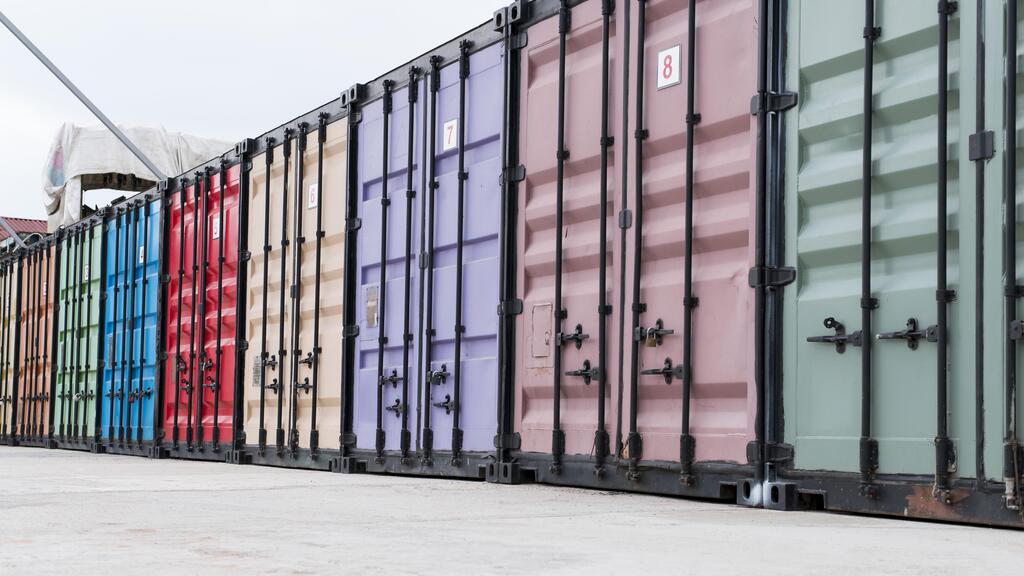
Renting storage containers is paying a company to temporarily use a large, secure container for storing or transporting your belongings.
Renting storage containers means you don’t own them. Therefore, you need to understand that your ability to change or use it is limited by the rental agreement. There are things that you can and can’t do when renting storage containers.
This activity comes with more rules than most people expect. Here’s what you can and can’t do while doing so!
What You Can Do When Renting Storage Containers
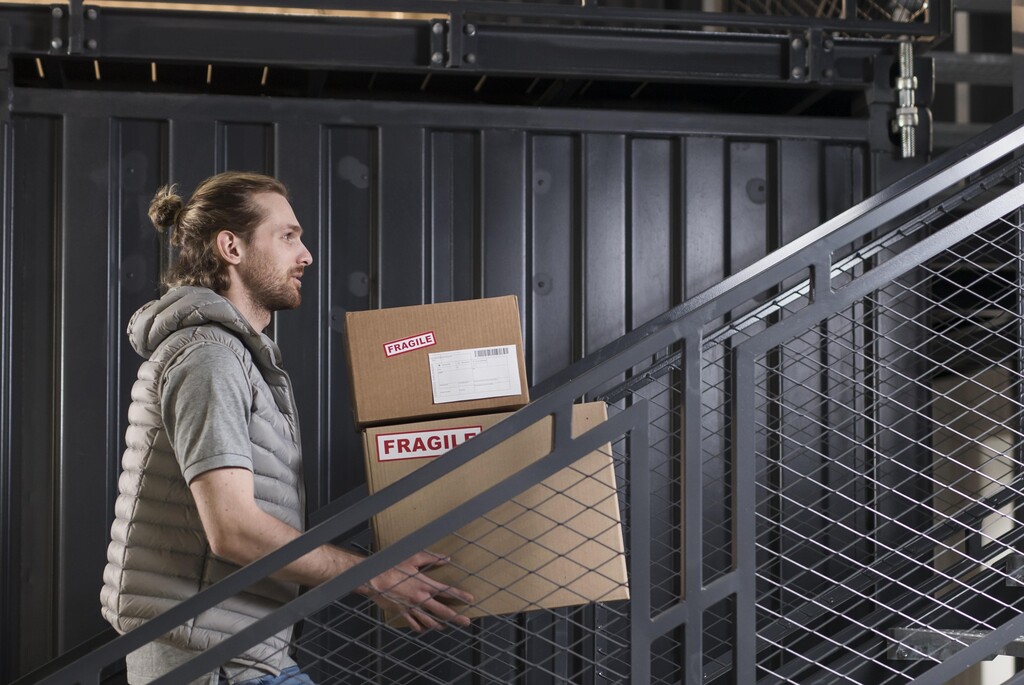
1. Use It for Storage or Work Purposes
When renting a container, you are free to load, organize, and use the interior however you like, as long as you don’t harm it. You are also free to store things like furniture, boxes, tools, inventory, and seasonal items. In fact, many people use containers during renovations or relocations.
Using it for work is usually allowed only if it’s not converted into a permanent workspace. That means no structural modifications, no long-term occupancy inside, and must follow local zoning or site regulations.
2. Add Temporary and Non-Damaging Accessories
You can usually add temporary and non-damaging accessories to a rented storage container, as long as they don’t alter or damage it. Temporary containers are generally fine because they don’t alter the structure.
These are accessories you can install without drilling, cutting, or leaving marks:
- Freestanding shelving units (not bolted to walls)
- Battery-powered or magnetic lights
- Adhesive hooks or removable organizers
- Rubber mats or flooring liners to protect the base
- Moisture absorbers or dehumidifier packs
- Portable ramps for easier loading/unloading
3. Lock and Secure It
Locking and securing your rented container is a must. You can use your own lock for security, as long as it doesn’t damage the locking mechanism. Most rental companies state that they’re not liable for theft. If your container is left unlocked, you could lose everything with no compensation.
4. Keep it clean and maintained
Keeping a rented storage container clean and maintained isn’t just about appearance. It protects your belongings, avoids extra costs, and keeps you in good standing with the rental company.
Basic upkeep like sweeping, drying moisture, and preventing mold is expected. This is needed as most rental agreements require you to return the container in reasonable condition. If it’s dirty or damaged, you may be charged cleaning fees or repairs.
5. Keep the Container on Your Property
You can keep a rented storage container on your property, but it’s not an automatic right. Usually it is placed on your driveway or sit. It depends on permissions, space, and local rules. This is permitted as long as local zoning laws or your landlord/HOA allow it.
6. Access Your Container when You Need
Most rental agreements allow regular access, though some companies have time restrictions if stored at their facility. If you own the property, you can access it whenever you want. If you rent, you’ll likely need landlord approval.
7. Use it for temporary projects
Rental containers are designed for flexibility, so companies generally expect short-term or project-based use. As long as you follow the rental rules, this use is perfectly normal.
You can use a rented container for short-term needs like furniture storage during home renovations, construction site supply storage, event preparation storage, or seasonal business projects.
What You Can’t Do When Renting Storage Containers
1. Drill, Cut, or Weld
You can’t drill, cut, or weld a rented storage container. These actions are considered permanent structural modifications, and rental companies prohibit them because they weaken the container’s structure.
This means no adding windows, vents, doors, or holes.
2. Paint or Permanently Alter the Exterior/Interior
Painting or permanent alterations are restricted because they change the container’s condition and value. This is why you can’t paint or permanently alter the exterior or interior of a rented storage container unless you have explicit written permission from the rental company.
If you want to customize without breaking rules, try using removable stickers, add freestanding interior panels, or use non-damaging coverings like mats or liners.
3. Install Permanent Fixtures
Avoid bolting shelves into walls, running wired electricity through drilled holes, and installing plumbing. Anything that leaves permanent marks is typically prohibited.
4. Move it Yourself
A shipping container unit is heavy; even an empty container typically weighs 2-4 tons. That means it can’t be safely lifted or dragged with normal tools or vehicles.
Moreover, self-moving a container can lead to the container tipping or sliding unexpectedly, causing crushing injuries or serious accidents.
Moving it properly requires a crane truck or tilt-bed transport, heavy forklifts, and secure locking into the container’s corner fittings.
5. Misuse the Structure
Misusing the structure of a rented storage container means using it in ways it wasn’t designed for, or that could damage or weaken it. Rental companies are strict about this because the container must remain safe for transport and future use.
This means no stacking beyond limits, no using the roof as a deck or storage platform, and no using it in ways that stress the frame.
6. Sublease or Transfer
When you rent a container, you agree that you are the authorized user and fully responsible for the container and its contents. Allowing someone else to use it without approval violates that agreement.
If you sublease it, who is responsible if the container is damaged? Who is liable if illegal or hazardous items are stored inside?
From the company’s perspective, they only recognize you, so any problems come back to you.
7. Overload
You should not overload a rented container. It’s unsafe and almost always against the rental terms. Containers are built with weight limits. Exceeding them can warp the floor or frame, damage corner supports, and cause doors to jam or misalign
8. Store hazardous or illegal materials
Hazardous materials often require specialized storage units, temperature control, and spill containment systems. A regular storage container doesn’t have these protections, so leaks or reactions can quickly become dangerous.
Storing things like fuel, chemicals, or explosives in a standard container can cause fires or explosions.
If you need to store chemicals or sensitive materials, look for certified hazardous material storage units.
9. Store Perishable Food
Unless the container is climate-controlled, food can rot, attract pests, and cause damage. Storing perishable food is perfect with an insulated container and a reefer container.
Storage Containers For Rent Units from Tradecorp
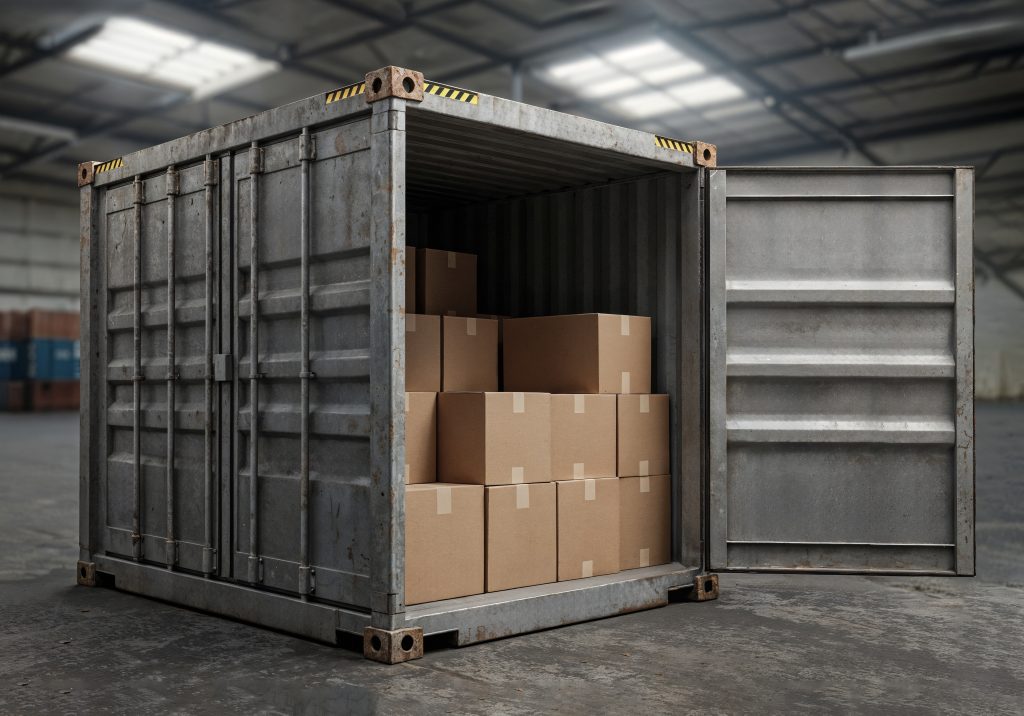
Here are some available models of container storage for rent from Tradecorp, one of the trusted container providers:
High Cube Container
Tradecorp offers High Cube Storage Units, specialized storage solutions that conventional storage facilities cannot provide.
Available in 10’, 20’, 40’, and 45’ sizes in high cube design, these self-storage units are perfect for helping homes and businesses protect precious belongings and seasonal items.
Since their designs are inspired by standard shipping containers, expect the durability of Corten steel-based construction to protect your belongings and materials.
Standard container features, including insulated walls, castors with twist locks, corner castings, forklift pockets, air vents, and vinyl flooring, are available to maximize the units’ ability to fulfill their tasks.
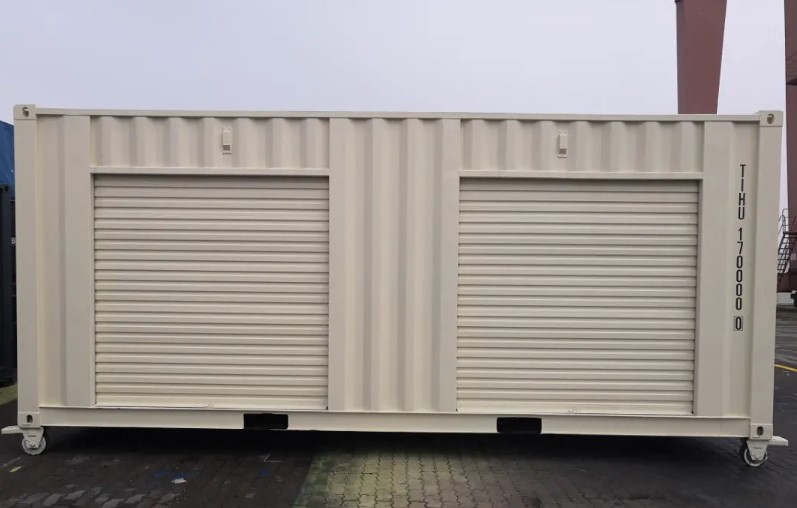
20′ Dry Container Storage with 2 Roller Doors
Use Tradecorp’s 20′ Dry Container Storage with 2 Roller Doors, an innovative storage container with two distinct storage rooms within a single unit, to easily organize and separate items.
Each roller door opens to its dedicated storage area, making it easy to access items without disrupting the other room.
The roller doors are perfect for smooth operation and have secure locks to ensure the safety of your stored goods.
With its durable construction, this container can handle harsh weather conditions, making it suitable for both indoor and outdoor use.
Its compact size also allows it to fit into tight spaces, providing flexibility in placement.
Standard Dry Container
Our standard containers represent the most popular and economical option for businesses and individuals seeking durable storage solutions. These units offer unparalleled versatility, serving countless applications from secure storage to the foundation for creative modification projects.
Built with premium Corten steel and featuring wind and water-tight construction, these containers maintain their structural integrity through extreme weather conditions, making them perfect for both short and long-term applications.
20′ Compartment Storage Container
The 20’ Compartment Storage Container is the practical and customizable solution for those needing multiple distinct storage spaces in a single unit.
Designed to accommodate between four and six separate compartments, this container is perfect for businesses or individuals looking to organize their belongings efficiently.
The 20′ Compartment Storage Container is built for durability and ease of use. Each compartment within the container is designed with functionality and security.
You can customize the size and layout of the compartments to suit your needs, ensuring maximum usability.
20’ Food Storage Container
Designed to protect food items before consumption and help with daily operations, Tradecorp introduced its latest 20’ Food Storage Container to help food businesses and similar enterprises.
Your business can set this container in a park or your branch location and provide customers with the best food and drink services.
Using a similar Corten steel-based construction as standard shipping containers, the 20’ Food Storage Container provides better protection for tenants than standard buildings.
The container also has two service windows, which can help you serve your produce if you convert it into an ice cream shop, taco joint, burger shop, and more.
40′ Reefer High Cube with Roller Door Container
Tradecorp’s 40’ Reefer High Cube with Roller Door Container offers roller doors instead of sectional cargo doors, which provide certain benefits during use. With this door, you can flexibly insert more cargo into the container from the front.
Furthermore, the door comes with locking bars like in other container door types, meaning you do not have to worry about the door’s security.
This container also has a reefer machine on the opposite side of the door, which is its main feature.
This machine can freeze temperature-sensitive cargo such as foods, drinks, and pharmaceuticals, helping industries involving these products protect their cargo during storage or shipment.
Conclusion
Renting storage containers is a reliable outdoor storage solution because they offer strength, weather protection, security, pest resistance, and long service life.
If renting storage containers is what you wanna do, we provide metal containers for storage and other purposes, as we understand the diverse needs of the market and offer a wide range of container options to meet these demands.
We provide modification and custom shipping container services by adding windows, doors, walls, and roof insulation. Our experienced staff is ready to assist you in arranging the shipping of your container to your requested location. Fill out our quote form to buy!